#76 Food, Feelings, and Finding Balance: with Dr. Jillian Lampert
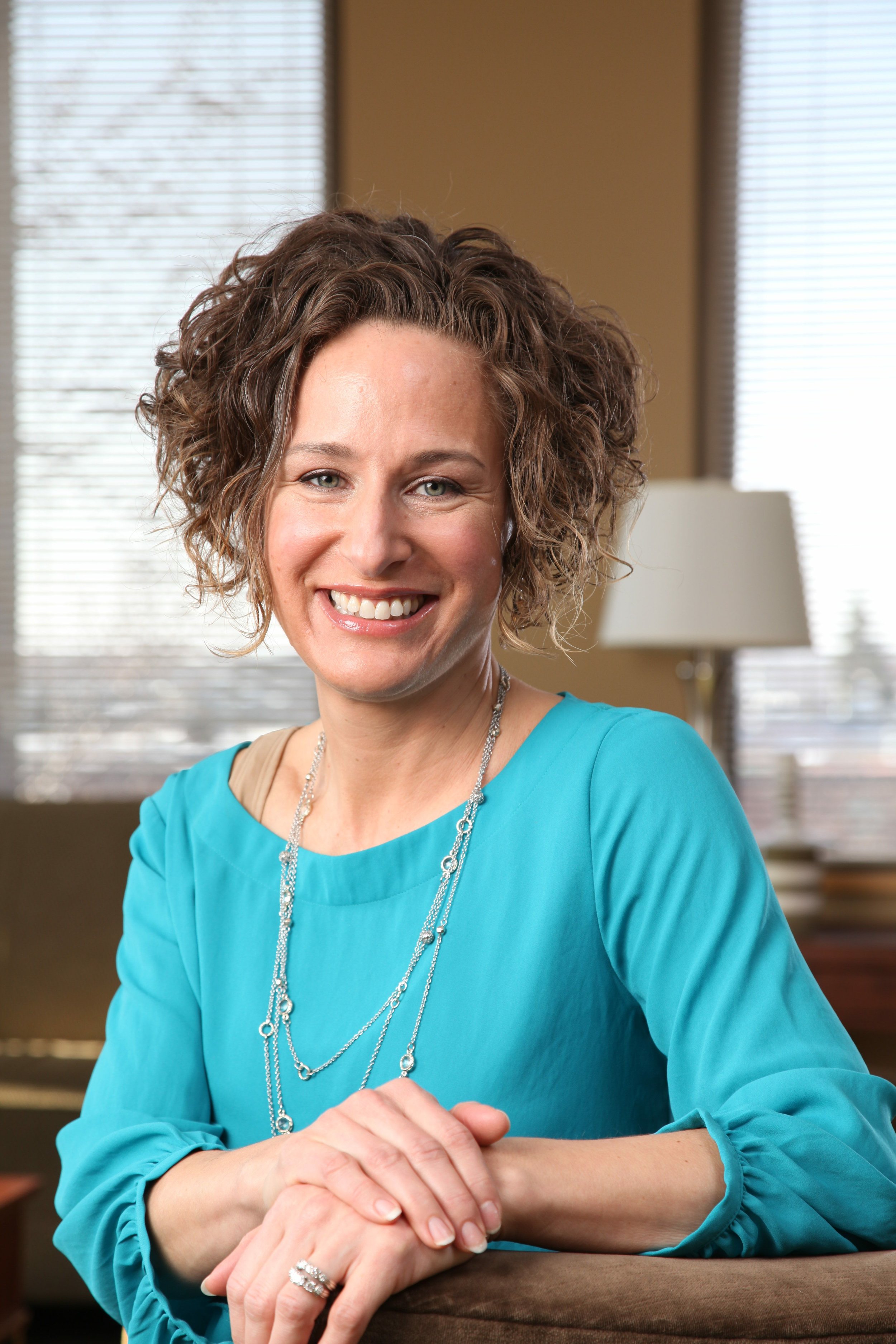
Struggling with body image, food rules, and the sea of mixed messages around eating and weight? In this honest and empowering conversation, Dr. Jillian Lampert from The Emily Program joins Lori Clarke to break down the real story behind eating disorders and how they affect us all.
Show Notes
How Language, Genetics, and Social Media Shape Disordered Eating: Insights from Dr. Jillian Lampert
Struggles with food and body image affect more people than most realize. Behind the countless “eat this, not that” headlines and the pressure to look a certain way, there are lived experiences and quiet battles. In an eye-opening conversation with Dr. Jillian Lampert from The Emily Program, Lori Clarke explores what really causes eating disorders, the role of genetics and social conditioning, and how words — our own and others’ — can deeply affect the way we see food and ourselves.
https://www.youtube.com/watch?v=v6KRMzZWhfw
Understanding Eating Disorders: Beyond Stereotypes
Most people picture eating disorders as something only underweight people have. This couldn’t be farther from the truth. According to Dr. Lampert:
Only 6% of people with eating disorders are underweight.
The other 94% fall into “regular” or higher weight groups.
You can’t always see an eating disorder. Most are hidden, just like many mental health struggles.
Eating disorders impact at least 29 million Americans. Experts suspect the true number is much higher. These conditions have the second highest death rate of any mental health diagnosis, after opioid addiction. Yet, these illnesses are misunderstood as choices or simple lifestyle problems.
Dr. Lampert’s own story highlights what’s missing in our conversations about recovery. She shares her past as someone diagnosed with an eating disorder in her teens, feeling judged and unheard when even doctors brushed her off. This experience shaped her approach: everyone can recover, but empathy and understanding matter most.
Myth vs. Fact
Myth: Eating disorders are only about weight.
Fact: They’re complex mental health issues influenced by genetics, temperament, culture, and trauma.
Myth: You can “just stop” or “snap out of it.”
Fact: These illnesses are not a choice and rarely go away without support.
The Power of Words: How Our Language Shapes Food and Body Image
What we say out loud about food and our bodies shapes those around us. Kids may see parents as superheroes, soaking up every word — both positive and negative — about appearance or weight.
Words That Heal vs. Words That Hurt
“I feel bloated, do I look bloated?” vs. “I love how comfortable these pants are.”
“I can’t eat that, I’ll get fat.” vs. “No thanks, I’m not hungry for that right now.”
“I shouldn’t eat dessert.” vs. “This tastes good, and I feel satisfied.”
Think before you speak about food or bodies, especially in front of kids or teens.
Tips for Parents and Caregivers
Practice keeping negative thoughts inside your head or reframing them. If you speak a negative comment, it’s always okay to go back later and clarify your feelings in a positive, learning way.
Use positive self-talk out loud. For example: “I love how strong I feel after a walk” or “I like how I feel in this bright sweater.”
Don’t obsess about or label foods “good” or “bad.” All foods can fit, and your attitude about eating will influence children more than any official nutrition lesson.
Dos and Don’ts of Food/Body Talk
Do: Speak kindly about your own and others’ bodies.
Do: Reframe negative comments if you slip up.
Do: Model food flexibility and joy.
Don’t: Voice body complaints in front of kids.
Don’t: Shame yourself or others for eating certain foods.
Don’t: Tie self-worth to appearance.
Social Media and Culture: Unpacking the Myth of “Perfection”
Influencer posts and “what I eat in a day” videos often show a curated, filtered life. Dr. Lampert reminds us that many influencers take several videos before posting the “perfect” one, often enhanced by lighting, angles, or even digital effects. Yet, viewers compare themselves to these unrealistic images, often feeling unworthy or “not enough.”
Social Media Pressures
Constant stream of “perfect” bodies and diets sets unattainable standards.
Algorithms fuel endless self-comparison and feelings of not fitting in.
Promises of acceptance and success are sold through quick fixes and supplements.
Red Flags for Teens’ Social Media Use
Following many diet or fitness accounts.
Comparing their looks to influencers.
Feeling down or anxious after scrolling.
Avoiding social events based on looks or weight.
Key Advice:
Put the phones down and connect with real people. Even though phones and social media are part of modern life, taking breaks to engage offline helps build real self-worth and protects mental health.
Tips for Parents on Navigating Social Media:
Ask your teen what they see and feel from their feed, not just what they follow.
Keep conversations open, non-judgmental, and ongoing.
Discuss how influencer content is often staged, edited, and unrealistic.
Focus on internal qualities and real-world joys, not just appearances.
Genetics, Temperament, and the Hidden Biology of Eating Disorders
It’s not just about willpower or choices. Eating disorders are strongly influenced by genetics, temperament, and how our brain responds to food, stress, and the world.
High Noticing (Hypervigilance)
Some people feel every tag on their shirt, every draft of wind, every detail in their environment. This high noticing isn’t “good” or “bad” — it just is. Dr. Lampert calls this a trait, not a flaw. People with high noticing often have brains that also respond strongly to changes in food, body signals, and routine. For some, this can quietly tip into disordered eating.
Anxiety and Impulsivity
Anxiety: Many with eating disorders also struggle with anxiety. Cutting back on food or sticking rigidly to rules can actually make them feel calmer at first.
Impulsivity: Some swing the other way, acting quickly on urges or emotions around food.
Both traits can make slippery slopes, especially when dieting or stressed.
Biological Reinforcement
Restriction, even by accident (illness, stress), can feel pleasant for certain brains, setting up a dangerous cycle.
External praise (“You look great!”) reinforces the cycle, even when it’s harmful underneath.
Understanding This Hidden Biology
It’s not a question of willpower. Brain scans show clear differences in how people with these traits process food, reward, and emotion.
Some people’s brains are wired to notice and respond more deeply, making them more susceptible.
Steps in How Biology Interacts with Eating Behaviors
Trait (high noticing, anxiety, or impulsivity) is present.
Dieting, illness, or stress triggers a change.
The brain feels a temporary “reward” (calm, praise, sense of control).
Behaviors repeat, and external reinforcement adds to the cycle.
The person struggles to stop, even as health deteriorates.
Weight Stigma: Breaking the Cycle
Weight stigma is everywhere — from social media and playgrounds to doctor’s offices and workplaces. People in larger bodies face discrimination, often leading to shame and emotional pain. Society encourages them to “fix” their bodies, yet also judges every attempt.
How Weight Stigma Fuels Harm
Comments about weight, even well-meant, reinforce shame and secrecy.
94% of those with eating disorders are not underweight. Most are in bodies that wouldn’t trigger concern from outside observers.
Weight stigma leads to cycles of emotional eating, withdrawal, and further shame.
How to Stop Weight Stigma Today
Never make negative jokes or comments about body size, including in private.
Model respect for all bodies, including your own.
Compliment presence (“It's great to see you”) instead of appearance.
Positive Behaviors to Model
Celebrate kindness, talents, and effort.
Correct or challenge others’ negative comments about weight.
Teach kids that body diversity is normal and good.
What does weight stigma feel like?
“It’s walking into a room and feeling judged before you even speak. It’s being treated as if you matter less.”
Recognizing Disordered Eating: Early Signs and When to Seek Help
Disordered eating doesn’t always meet the definition of an “eating disorder,” but it’s still a concern.
Warning Signs of Disordered Eating
Cutting out foods previously enjoyed, without reason.
Obsessing over food, calories, or “clean eating.”
Excessive exercise, or needing to “burn off” what you eat.
Avoiding social events if food is involved.
Constant body checking: pinching, weighing, or measuring yourself.
Irritability, isolation, or withdrawal from activities.
Declining mental health, or sudden drops in school/work performance.
Still high-performing, but stressed or anxious beneath the surface.
How to talk to someone you care about:
“I notice you seem down lately and aren’t coming out to eat with us. I care about you. Is anything on your mind?”
Address concerns with care, not blame. Offer support and information. Encourage them to speak with a professional or reach out to resources like The Emily Program.
The Role of Family and Community: Real Recovery Happens Together
Recovery is much harder when faced alone. The Emily Program’s vision is a world where everyone can have a peaceful relationship with food, weight, and body image — and they believe community is the basis of healing.
“Do what you want, but be able to explain it to a community of your peers.”
— The Emily Program motto
Family Roles in Supporting Recovery
Participate in meals without judgment or diet talk.
Offer distraction or comfort after meals.
Help create a safe, non-shaming home where everyone feels valued.
Challenge diet culture thinking when it pops up.
Support, never blame.
Recovery is about agency and accountability. It’s important to make your own choices, but also explain them honestly to others and yourself. Conversation, reflection, and caring correction are key.
Emotional Health and Eating: Hungry for More than Food
Many people learn to comfort tough feelings with food. Instead of feeling sad, anxious, or lonely, they eat to “numb out” and avoid discomfort. This can become a habit, especially if you believe you don’t deserve to feel or work through big emotions.
Healthy Emotional Coping Strategies
Get up and move, even just a walk around the block.
Practice deep breathing or gentle stretches.
Notice: “What am I really feeling? Where do I sense it in my body?”
Name the emotion, and tell yourself you’re allowed to feel it.
Reach out to others for connection, not just food.
“How do I notice hunger? How do I know I’m full?”
Learning to reconnect to these signals takes time and support.
Let’s Talk About Control: The Hidden Illusion
People often think eating disorders are just about control. It feels that way on the surface, but Dr. Lampert explains that control is usually a side effect.
Something feels out of control (life stress, emotions, body image).
Changing eating habits brings a temporary sense of order or calm.
The world responds with approval (“Wow, you look great!”).
The brain feels calm, so the behavior repeats.
The eating disorder eventually removes true control, making recovery harder.
The paradox: what starts as a way to cope ends up taking control away.
Finding Healing: Words for the Journey Ahead
Dr. Lampert’s biggest message is simple but profound: Ask yourself what you really need. Your body and mind carry more wisdom than you know. Take time to notice, trust, and care for yourself. Speak kindly, inside and out. Build support around you. And remember, you’re worthy, you matter, and you have a place in the world.
If you or someone you care about is struggling with food or body image, reaching out for help can be life-changing. Explore resources through The Emily Program, and let this be the start of a new, gentler conversation with yourself and those around you.
You are not alone — and hope is real.
The Emily Program
If you or someone you know is looking for eating disorder care in a gender-diverse and inclusive environment, we can help
1-888-364-5977
Emilyprogram.com
Learn more about today's guest