# 77 The Mocktail Movement: Why Choices Matter at Social Gatherings

Why is alcohol expected everywhere we go—work events, conferences, even networking dinners?
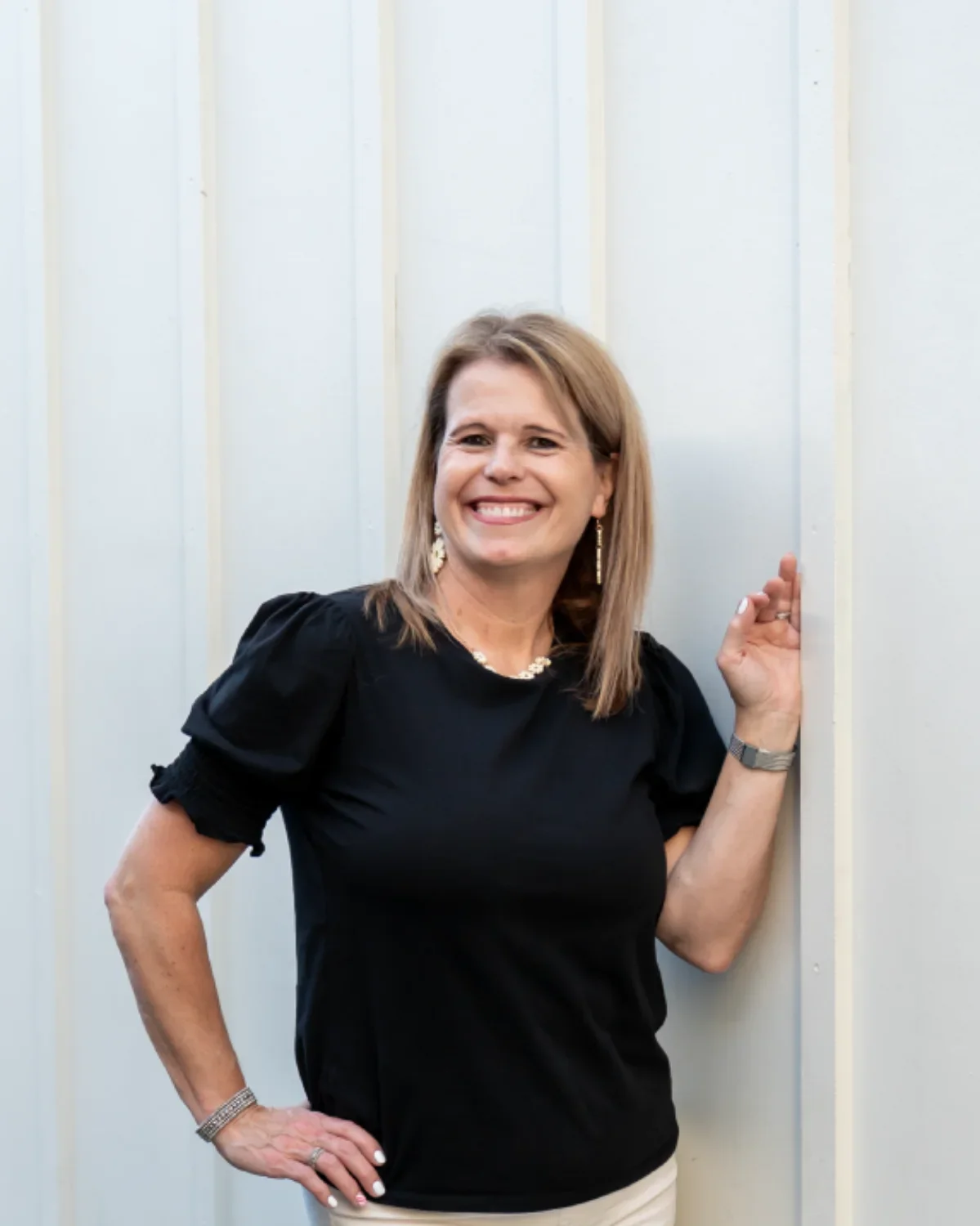
Sober Life Rocks co-founder Laura Nelson joins the show to share her journey and why it’s time to rethink the role of alcohol in professional and social settings.
We talk about the subtle peer pressure to drink, how it keeps people silent, and what it takes to make events truly inclusive. From mocktails that are just as fun as cocktails to invitations that normalize choice, Laura offers real tips for creating spaces where everyone feels welcome.
This isn’t about pushing sobriety—it’s about breaking stigma, supporting coworkers and friends, and recognizing that nearly half of Americans are already cutting back on drinking.
🎧 Listen now for fresh ideas on building connection, confidence, and community—whether you’re sober, sober curious, or just want better options.
Show Notes
Rethinking Alcohol: How Sober Life Rocks Supports Sobriety and Inclusion in Work and Social Events
Most business and social events revolve around one thing: alcohol. Whether it’s networking over cocktails, sharing drinks at a conference, or unwinding after work, drinking is woven into our routines. But what happens when you want to cut back or stop drinking altogether? For many, choosing sobriety can feel like swimming upstream. The pressure is real, the questions are awkward, and the fear of missing out often looms large.
Let’s explore how Sober Life Rocks is changing that story. Through community, awareness, and practical tools, they’re helping people feel comfortable making choices that fit their lives—regardless of what’s in their glass.
Meet Sober Life Rocks: A Fresh Approach to Sobriety
Sober Life Rocks, found at soberliferrocks.com, brings together those who are soberish, sober curious, and anyone curious about life without alcohol. Their goal is to make spaces where saying no to a drink isn’t awkward. Instead, it’s just another option.
Their mission:
Create supportive, judgment-free communities for people at every step of their drinking journey.
Challenge the status quo at professional events, making it normal and safe to turn down a drink.
Empower professionals to succeed at work, regardless of their stance on alcohol.
Types of members in the community:
Sober curious
Sober-ish
Sober wing women/men
People actively in recovery
Professionals who choose to cut back
A striking statistic: 41% of Americans are trying to drink less. Sober Life Rocks recognizes this trend. Whether you’re on day one or year ten of going alcohol-free, or just thinking about it, you’ll find encouragement and open conversations here.
The Problem with Workplace Drinking Culture
Think about most networking events or after-work gatherings. Drinks flow easily. Invitations say “meet at the bar” or “let’s go for happy hour.” For many, these environments can be tough. Some people want to avoid alcohol for health reasons. Others don’t want to risk saying or doing something unprofessional. Some are on a recovery path that makes these settings feel like a minefield.
Yet, business culture hasn’t caught up. It’s often assumed everyone wants to drink. If you don’t, you might feel left out or pressured to “just have one.” Sober Life Rocks sees this gap and is working hard to create space for sober choices—not just in private life but at work and industry events.
Key challenges sober professionals face:
Social isolation at work functions
Awkwardness or judgment for not drinking
Limited or childish non-alcoholic options
Stigma around discussing sobriety in the workplace
Laura Nelson’s Story: Going “All In” on Sobriety
Laura Nelson, one of the voices behind Sober Life Rocks, shares a candid look at her own journey. She started out as a typical social drinker—a glass of wine after work, drinks at conferences, “mommy wine culture” playdates. Life changes, including a separation, led her to drink more often and more heavily. Her career as a traveling speaker in the dental industry put her right in the center of alcohol-centric networking.
During these years, Laura tried cutting back via challenges like Dry January, but eventually noticed her own patterns were unsustainable. She recalls seeing a peer onstage discussing her sobriety openly. That was the spark that helped Laura realize she could stop, too.
Laura describes her approach as “spontaneous sobriety.” She didn’t attend a program or follow a 12-step path. One day she simply decided she needed to quit and stuck to it, thanks in part to her “all in or all out” personality—a trait she shares with many entrepreneurs.
Laura soon realized she wasn’t alone. Many professionals around her felt the same way, hiding their lack of drinking by carrying around drinks with limes, or avoiding questions.
She says, “When I stopped drinking, I just stopped. I didn’t go to a program or a 12-step. I just woke up one day and was like, I have to stop. And that’s my personality style. I was all in when I partied, and all in when I stopped.”
The Secret Struggles: Pressure to Drink at Events
Drinking at work events isn’t just about the drinks themselves. It creates subtle boundaries. Most people have experienced these:
“Why aren’t you drinking?”
“Are you pregnant?”
“Are you in recovery?”
“Come on, just have one.”
Plenty of people don’t actually want to drink, but they do anyway—for acceptance, for appearances, to avoid questions. Some fake drinking by holding a glass. Others simply bow out of networking sessions early, missing potential connections. For those in recovery, this environment can be full of triggers.
Stigma and silence: Even professionals with decades of sobriety are sometimes discouraged from sharing their stories. One story from Sober Life Rocks: a woman 20 years sober was told by a colleague not to reveal her sobriety, to avoid harming her career. Laura points out this “old paradigm” is finally starting to shift.
Shifting the Event Experience: How to Foster Real Inclusion
The old way of hosting wine-heavy networking events isn’t working for everyone. Here are steps to make gatherings truly inclusive:
Rethink Invitations
Use clear, inclusive language:
“Join us for cocktails, mocktails, and great company.”
“Get to know each other hour—coffee, tea, and options for all.”
Change the Format
Host morning coffees or lunch meetups instead of evening happy hours.
Incorporate activities where drinking isn’t the main event, like painting or pottery.
Avoid booze-centered events like brewery crawls or exclusive wine tastings.
Update the Bar
Make non-alcoholic choices visible and appealing. Don’t hide them behind the bar; display them with pride.
Offer sophisticated mocktails and non-alcoholic beers in real glassware, not kid cups or plastic.
Train staff to serve non-drinking guests thoughtfully (one event bartender made Laura a non-alcoholic lemon drop with an orange slice on the rim to differentiate).
Prepare for Connection
Many people fear being the only non-drinker in the room. Sober Life Rocks encourages connecting sober allies in advance, which makes it easier to stick to your choice and still have fun.
Support, Not Shame
Just as vegetarian options are now the norm at catered events, alcohol-free choices should be too. This avoids spotlighting anyone or making them feel “different.”
Breaking the Pressure: Building Empowerment
Being open about not drinking can be hard, especially in professional settings. Sober Life Rocks gives these tips:
Find community: Link up with others on a similar journey, whether through online groups or by finding allies at work.
Communicate with confidence: If you’re hosting, signal that all choices—drinking or not—are respected.
Shift the focus: Remember, nobody cares what’s in your cup but you. Normalize saying no.
Frequently Asked Questions:
Q: How do I avoid questions about not drinking?
A: Hold a non-alcoholic drink, or say “I’m good, thanks.” No one needs a detailed answer.
Q: Isn’t not drinking a party killer?
A: Real connection doesn’t require alcohol. You’ll be surprised by how many others feel the same way.
Q: Should I hide my sobriety?
A: That’s up to you. But open conversations empower others who may be struggling in silence.
Generation Shift: Wellness Leading the Way
Today’s younger professionals tend to drink less for many reasons:
More focus on wellness: yoga, meditation, healthy eating, and mindfulness.
Access to virtual events and connections that don’t center around drinking.
Wanting to feel good, stay sharp, and reduce regrets.
Older generations modeled drinking as the bonding ritual, but young people are choosing other ways to connect. Laura likens it to the decline in smoking. While alcohol is still everywhere, things are starting to change.
Comparison Table: Alcohol Attitudes By Generation
Generation
Drinking Culture
Wellness Focus
Event Preferences
Boomers
High alcohol presence
Low-to-moderate
Night events, open bars
Millennials/Gen Z
Lower alcohol use
High
Morning/lunch, coffee socials, activities
Making Empowered Choices: Tools and Tips
Choosing not to drink (or to drink less) doesn’t mean missing out. Here’s how to stay strong and included:
Try attending events sober and see how it feels.
Bring or order non-alcoholic drinks you enjoy, like tea or sparkling water in a wine glass.
Ask for mocktails or alcohol-free options, and don’t be shy about it.
As a leader, plan events with all options clearly available. Invite connection on everyone’s terms.
Join a supportive network, such as the Sober Life Rocks group on LinkedIn, for community and ideas.
Do’s and Don’ts for Navigating Events Sober:
Do: Communicate your choice without apology.
Don’t: Fake drinking to fit in. It keeps the conversation hidden.
Do: Provide and serve options in adult glassware.
Don’t: Put non-drinkers in a spotlight or isolate them.
The Power of Modeling: Sobriety and Family
Kids watch what adults do, not just what they say. Normalizing heavy drinking sends a message, just like seeing responsible or sober choices does. Many children feel nervous or unsafe when adults are drunk at events—a reminder that our actions matter.
It’s never too late to change course. Open talks with children about alcohol and our choices can break cycles. Laura shares that conversations with her own kids changed after she stopped drinking, showing that change is possible at any time.
Stories to Remember:
“My daughter told me, ‘I don’t want to go to that person’s house because they're always drinking.’ That made me realize just how much kids notice.”
Conclusion: Redefining Normal, One Choice at a Time
The pressure to drink at social and work events is real, but change is happening. Sober Life Rocks is leading the way by opening up the conversation and making inclusion a reality, not just a buzzword.
There’s no right way to start—just start paying attention. Awareness leads to small changes, and small changes add up. We don’t need to hit rock bottom to decide we want to try something different.
Be the person who helps normalize sober choices—at work, in your family, and in your community. The next time you get an event invitation, challenge the norm. Offer options, start a conversation, and remember: real connection has nothing to do with what’s in your glass.
For more support, tips, and a thriving community, visit soberliferocks.com or search for the Sober Life Rocks group on LinkedIn. Let’s raise our (tea, water, wine, or mocktail) glasses to a more inclusive, connected world.
Learn more about today's guest