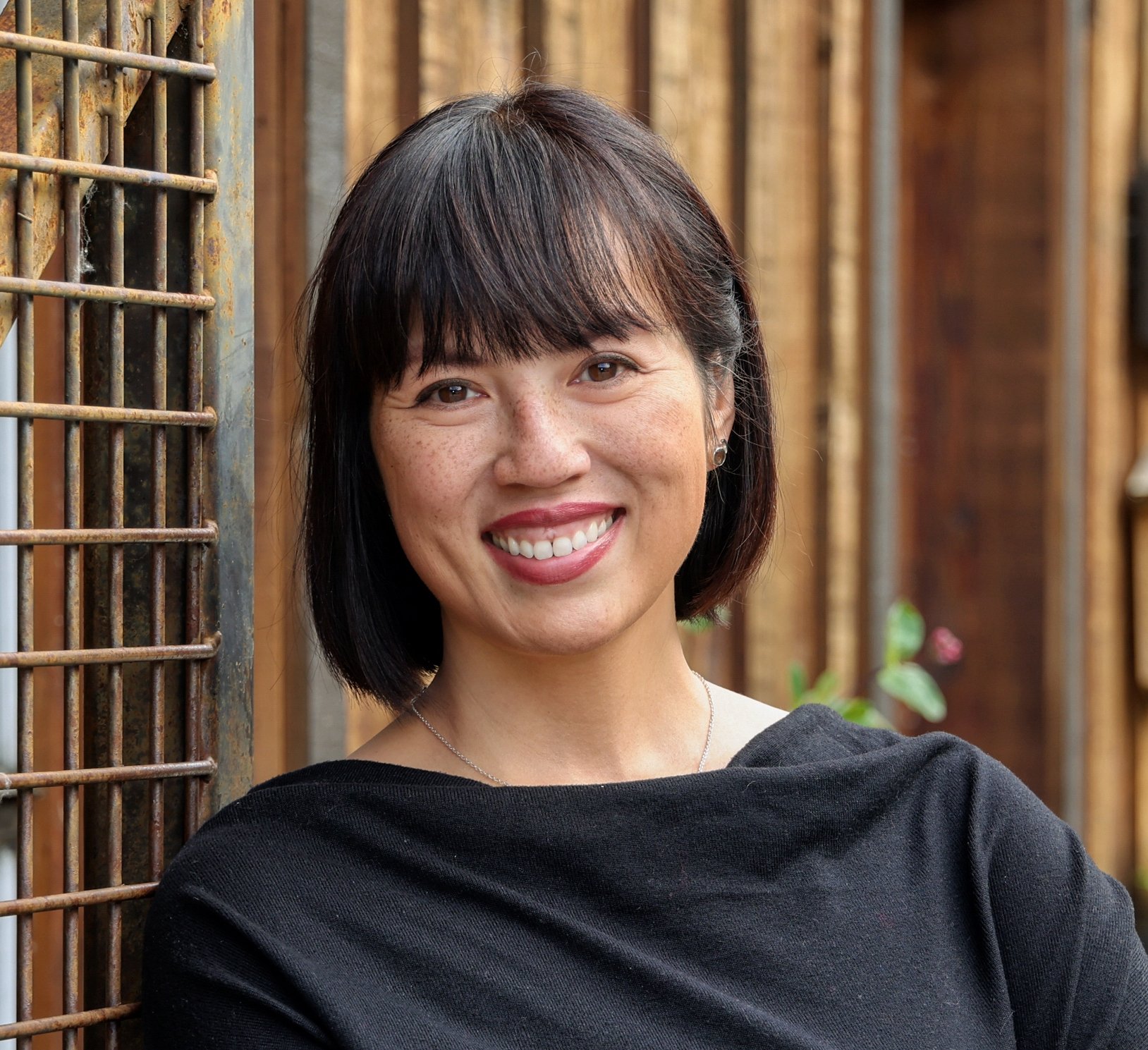
#74 Discover how to enjoy dating again—get the answers now with Caroline Millet
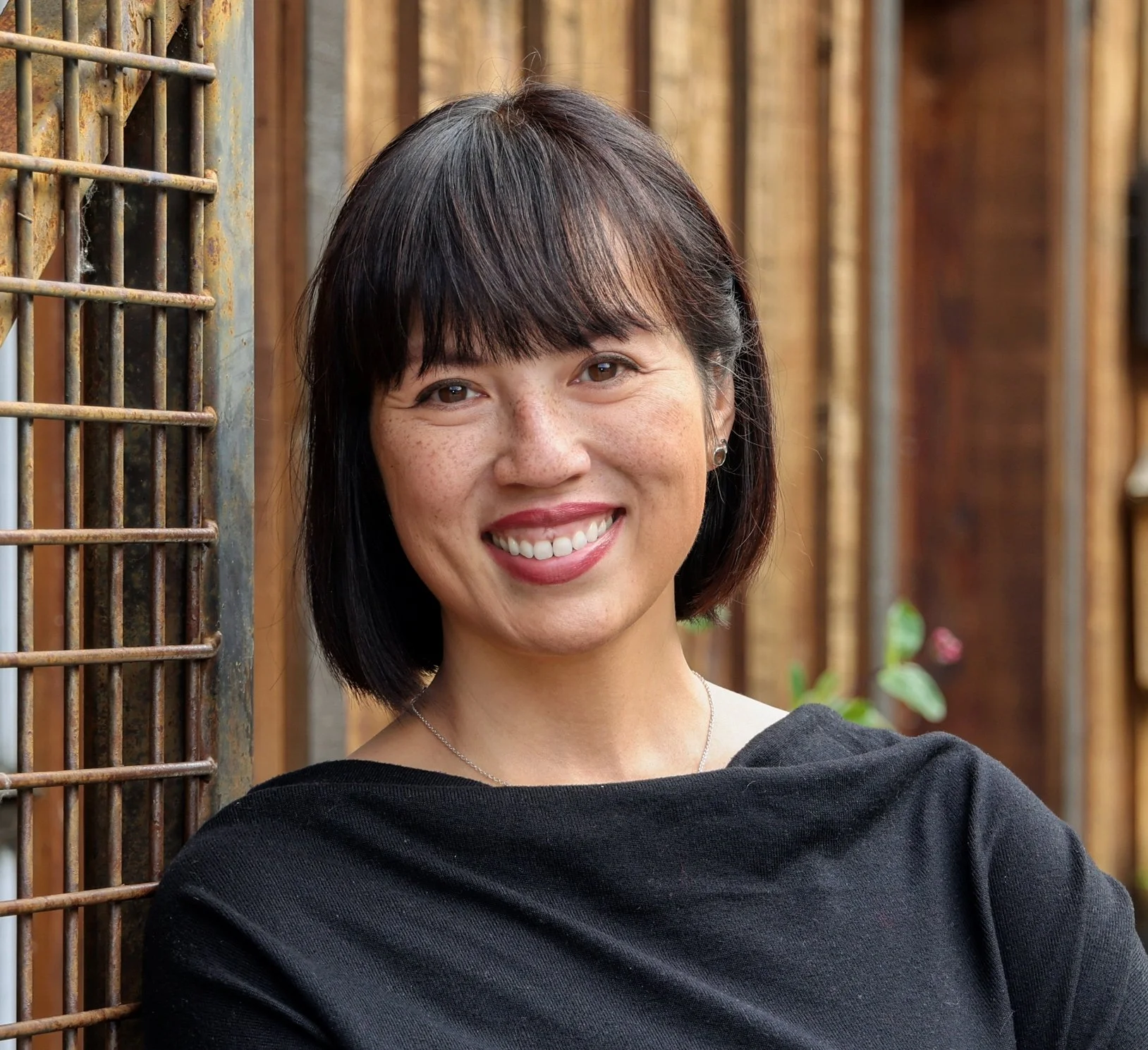
Dating apps can leave you tired, frustrated, and feeling like you’re stuck in a loop. If you’ve been wondering why swiping left and right feels more exhausting than exciting, you’re not alone. Dating burnout is real—and you can break out of it.
Show Notes
Dating Burnout? A Matchmaking Expert Reveals the Path to Finding Real Connection
Ever cooked a huge dinner, excited to share it with friends, only to have almost no one show up? That's how dating burnout can feel. All that effort, all those expectations, leading to disappointment. It's easy to feel like you're throwing a party and no one RSVP'd.
So, how do you avoid that "dating dinner party" scenario? How can you find real connection instead of just spinning your wheels?
Caroline Millet, a former matchmaker turned dating coach, helps people do just that. She believes finding genuine connection starts with understanding yourself, not just endlessly swiping. Let's see what she has to say!
From Matchmaking to Coaching: A Shift in Perspective
Caroline started her career as a matchmaker. But she realized that matchmaking often provided only temporary fixes. She wanted to help people create lasting change. That's why she became a dating coach.
She helps people find "permanent solutions" instead of "temporary solutions." What does that mean? Matchmaking focuses on quick pairings. Coaching dives deep to help you understand your needs and values. This understanding helps you build healthier, more fulfilling relationships.
Caroline's transition also stemmed from the limitations she saw in the matchmaking industry.
It can be very sales-driven, focusing on contracts instead of genuine connection.
There can be gender dynamics and differing expectations between men and women.
It's not always effective.
Thinking about working with Caroline? You can find her services at her website.
The Problem with "Honesty and Caring": Unpacking Surface-Level Desires
When asked what they want in a partner, most people offer generic answers. "I want someone who's honest," they might say. Or, "Someone who's caring and supportive."
But what do those qualities really mean?
As a coach, Caroline helps clients dig deeper. She pushes them to define these qualities in concrete terms. What does honesty look like in action? What does caring truly mean to you?
For example, what does "honesty" truly mean to you in a relationship? Is it brutal honesty, even when it hurts? Or, is it a gentle approach with consideration for feelings?
It's important to define your values. Go beyond the surface. Understand what they truly mean to you. How do your values translate into specific behaviors and expectations?
This self-reflection helps you avoid wasting time on incompatible matches.
Ditching the Checklist: The Power of Real-Life Connection
Online dating has filters for everything. Height, religion, interests... But can a checklist really capture the magic of human connection?
Caroline contrasts these online filters with the power of in-person connection. Rigid checklists can limit your options. You might miss out on someone amazing because they don't fit your pre-conceived notions.
Think about it: Have you ever had an unexpected connection with someone who wasn't "your type?" Maybe you met them at a club, a bar, or just walking your dog. Those filters weren't there. You connected on a deeper level.
Connection is the driver. Be open to possibilities beyond your "ideal" type.
Caroline teaches people to find connection within themselves first. This leads to more authentic connections with others.
Dismantling the Noise: Reframing Love and Relationship Beliefs
We all have ideas about what love and relationships should be. But where do these ideas come from? Often, they're influenced by:
Our parents
Our friends' parents
The media (books, movies, TV shows)
Caroline helps clients dismantle unrealistic beliefs about love. It's about questioning those influences. Determine what's truly applicable to your life right now.
Consider this: "I want what my parents had on Saturday mornings." (breakfast and coffee together with laughter). That's a lovely sentiment. But what about the other six days of the week?
Break down the "why" behind your desires. What truly resonates with your values and current circumstances?
Avoid the pitfall of chasing an early, intense experience of love. Teenage love often feels heightened because of hormones and less complicated lives. Love evolves. It manifests differently in each relationship. Be open to that.
Step 1: What Do You Bring? Ensuring Equality in the Relationship Equation
Caroline's first step to finding genuine connection is simple: Understand what you bring to the table. Make sure it's equal to what you're asking for.
This is often uneven. People lack clear self-awareness. They don't understand their intent versus their impact. They're unaware of how others perceive them.
She shared a story about being described as "motherly." Her initial reaction was negative. But she asked for clarification. She learned that her preparedness and consideration were interpreted as motherly. She realized the people around her liked this about her.
"Family is really important to me." That sounds nice. But what does it mean? Does it mean being close to your parents? Or, does it mean intentionally building a chosen family of trusted friends?
Lessons from a Decade: How Personal Experience Shapes Coaching
Caroline's 10-year marriage and subsequent divorce deeply inform her coaching approach. She learned firsthand the importance of self-love, clear boundaries, and realistic expectations.
She realized that she and her husband weren't right for each other. He tried to "check boxes" for a happy life. With her, it was always about the getting and having, she said.
After a breakup, there are two common paths. Some people "glow up," focusing on self-improvement and healing. Others "move on" quickly, seeking a replacement relationship.
She also shared her experiences with a "love bomber" and a relationship that ended abruptly. She emphasizes the need to be "emotionally organized." The importance of understanding that you cannot start at a high intensity, because it will only go down.
These experiences led her to prioritize becoming her own best friend.
From Brittle to Best Friend: Building a Foundation of Self-Love
After her divorce, Caroline realized she'd been looking for someone to rescue her. She decided to rescue herself.
She wrote a letter to herself, making promises she could keep. She sought therapy to address the emotional fallout. She directed her energy into intentional community building:
She prioritized her daughter.
She cultivated supportive relationships with clear intentions.
She stepped outside her comfort zone and tried new things.
She created a vision for the future, regardless of relationship status. She imagined a fulfilling life alone, while still being open to future love. She built a life that was attractive either way.
Decoding Dating Burnout: Recognizing the Signs and Breaking the Cycle
What is dating burnout? It's feeling like you want to give up on a vision you've always held. You give up because of external factors beyond your control.
Common coping mechanisms often backfire. Rigid rules and boundaries without information aren't the solution. For example, someone might say "If they don't text me back within two hours, we're done!"
Why? People get nervous. People are inexperienced.
Caroline offers a more balanced approach:
Focus on curiosity and getting to know someone.
Prioritize mutual respect and consideration.
Remember that you're not looking for approval.
Four dates in is plenty of time to feel gratitude and figure things out. If you have concerns about a behavior, ask questions with an open mind. Don't assume the worst.
Acknowledge that some people may react defensively, regardless of your approach. Listen to your intuition. Recognize when to move on. The right person may be right in front of you, but you won't see it.
Hinge and Serendipity: A Tale of Unexpected Connection
Caroline met her partner through Hinge. The connection was accidental. She was downloading the app to help a client, not seeking a relationship.
"It was me thinking he did," she said. "It gave me the confidence."
She went in with full meeting energy.
She emphasizes the importance of not having assumptions. It's important to arrive authentically.
Handling Rejection: Reframing the Narrative and Reclaiming Your Power
Rejection is never fun, but it's a part of life. The key is to shift the dynamic. Don't seek approval and acceptance from the other person.
If you have that underlying driver of needing safety, stability and security, that's going to be uncomfortable. You need to know how to provide that for yourself, because then you understand how to build that with somebody else.
Every argument should be an opportunity. It's an opportunity to understand your partner better and for them to understand you better.
When you're rejected, it activates deep-seated psychological and development. Rejection is attached to a system that receives pain. But you're pre-disposed to feel rejection.
Don't dwell on loss. Take away the lesson.
Six Paths to a Stable Life: Creating a Blueprint for Fulfillment (and Better Dating)
Caroline's "Six Paths" are designed to create permanent change.
Look for themes in your past.
Dismantle those themes and influences.
See who you think you are, how others see you, and who you want to be in the future.
Get specific about what you want.
Rewrite your story around pain and rejection.
Then you create a blueprint. It is very specific. This helps you hold on to what's important.
Beyond the Burnout: Small Steps to Recharge
If you're absolutely exhausted, what should you do to recharge? Recognize that is burnout. The goal is to recharge.
Self-love is pulling your energy back and getting grounded. It requires a lot of intentionality.
That's why there's a free guide on Caroline's website about self-love. People download it all the time.
Dating App Addiction: Breaking Free from the Swipe Cycle
If you are on dating apps and are addicted, you need to understand that there is no FOMO.
The first thing you should do is delete or pause the account. Do more than just delete the app from your phone.
You need to set a new goal for yourself, like three days, and not look. Fill that time with another activity.
You are looking for validation. You're setting yourself up for more and more disappointment.
Red Flags and Dealbreakers: Trusting Your Gut and Setting Healthy Boundaries
What are the signs someone is a cheater? What if they didn't see their kids? It's important to find something that is non-gendered. There needs to be kindness and grace.
They keep coming up with excuses.
If you have limitations and that is all you want to focus on.
What if people are friends with all their exes? Caroline says you need to have room for it to be a non-gender discussion.
Finding the Right Fit: A Multi-Generational Journey
Dating isn't just for the young. Everyone can find connection in their own way. Caroline says that women get better at 40. It's because they have been through life and they are ready. It's not going to pass you by, but you won't see it.
The Takeaway Message
If you fully love yourself, and you see yourself honestly and you love all of it, that is going to set the standard for how you are loved. So, you will recognize it when it happens in whatever flavor.
Focus on the things you can control first. What will you do now? How do you stay true to yourself? What are you seeking in your connections with other people? What are you looking to get back?
Want to learn more from Caroline and get in touch? You can find her services and more information on her website.
What are your experiences with dating burnout? How have you learned to love yourself? Share your stories in the comments!
Learn more about today's guest