# 73 Eating Disorders & Why Diet Culture Feels Impossible to Escape
What if everything you know about eating disorders is incomplete? Gretchen Wallace joins Lori Clarke to break down the silent struggles many face, often hiding in plain sight. Gretchen explains why eating disorders go far beyond stereotypes, how social media stirs up confusion, and what signs families shouldn’t ignore. You’ll walk away knowing how to spot hidden risks and feel more ready to help, no matter who you are.
Listen on:
Show Notes
Eating Disorders: Unmasking Myths & Finding Peace with Your Body
Did you know that suicide rates in girls ages 10-14 have increased 151% since 2009? This alarming statistic highlights the urgent need to talk about eating disorders.
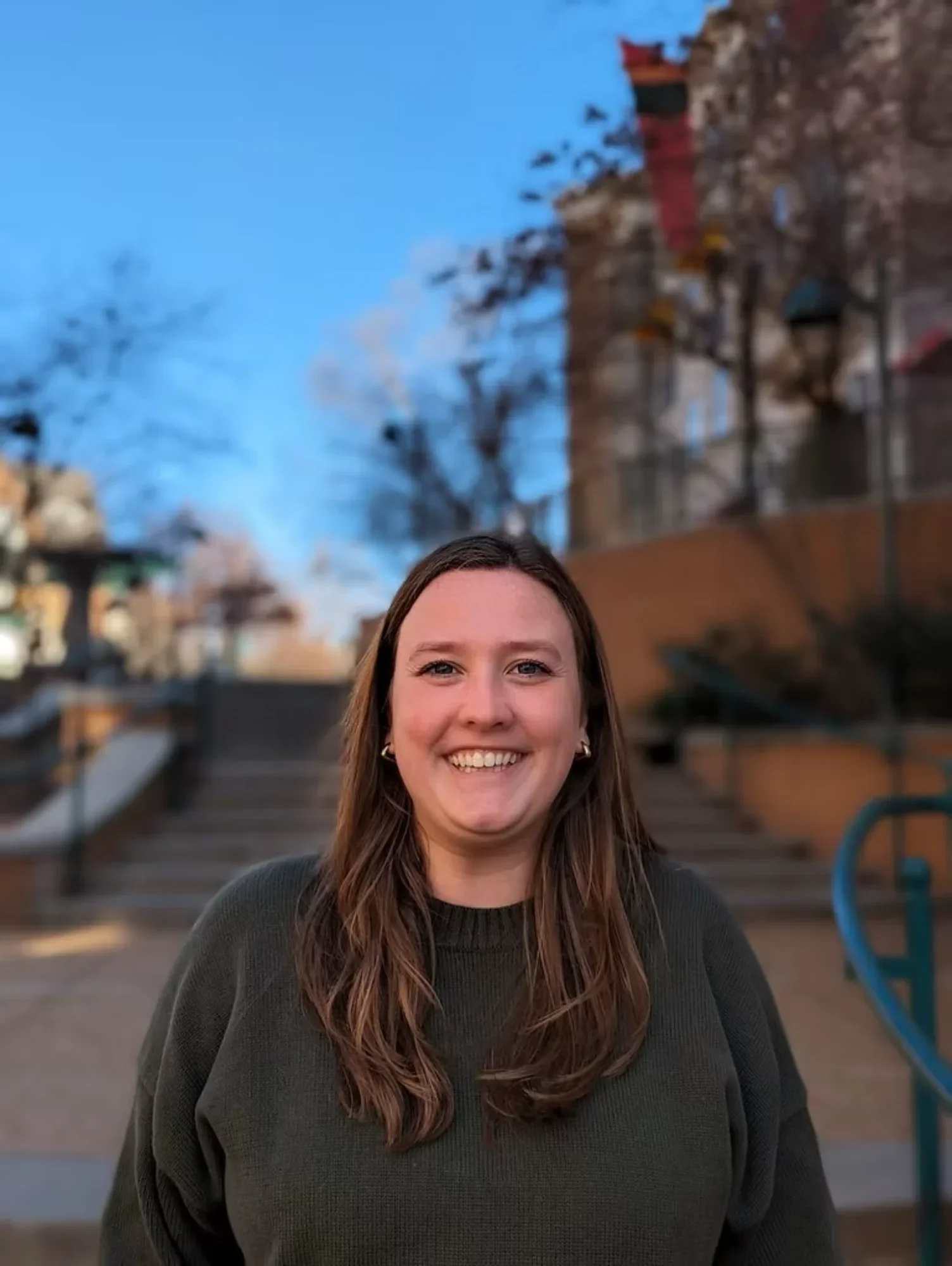
I'm Lori Clarke, and I'm joined today by Gretchen Wallace, a registered dietitian specializing in eating disorders. We're diving into a conversation that affects people of all ages, genders, and backgrounds. We're breaking free from diet culture, understanding body dysmorphia, and supporting loved ones. As Gretchen says, "It's okay to be at peace in our bodies." (06:25)
The "Don't Want to Know" Factor: Why We Avoid the Eating Disorder Conversation
Why is it so hard to talk about eating disorders? Why do we often avoid the conversation until it's a crisis?
Addressing the Stigma
There's a real stigma around mental health and eating disorders (13:02). It stops people from seeking help or even admitting there's a problem. Our society accepts dieting and body dissatisfaction. This makes it tough to spot disordered eating (10:22). How can we break down these barriers?
The Illusion of Control
Restrictive eating disorders can give you a false sense of control (24:02). In a world that often feels chaotic, controlling what you eat can feel empowering. But it's a dangerous illusion. What happens when the need for control takes over your life?
The Slippery Slope: Normalization of Disordered Eating
We live in a culture that normalizes dieting and body image issues (10:22). Seemingly "healthy" behaviors can slowly turn into disordered eating (14:25). Social media plays a big role, showing us unrealistic beauty standards and pushing diet culture. How do we resist this pressure?
Decoding Eating Disorders: Beyond the Stereotypes
What exactly is an eating disorder? It's more than just anorexia and bulimia.
The Diagnostic Criteria: A Narrow View
The official rules for diagnosing eating disorders are very specific. Many people don't fit neatly into those boxes (16:54). That's where "Otherwise Specified Feeding and Eating Disorder" (OSFED) comes in (17:47). It's a category for people who have disordered eating behaviors but don't meet all the criteria for other diagnoses.
Understanding the Spectrum: Restriction, Binging, and Compensatory Behaviors
Instead of focusing on labels, let's look at the core behaviors: restriction, binging, and compensatory actions (19:07). Restriction means limiting food intake. Binging involves eating large amounts of food in a short time. Compensatory behaviors are things like excessive exercise or purging. These can look different for everyone.
The Real Question: Is It Making Your Life Smaller?
The most important question is: Are these behaviors helping or hurting your life? Are they making your world bigger or smaller? (21:25) Food is supposed to be enjoyable. It's a way to connect with others. If your eating habits are damaging your relationships or your sense of self, it's time to get help.
ARFID: Extreme Picky Eating
Let's talk about ARFID, or Avoidant Restrictive Food Intake Disorder.
Defining Extreme Pickiness (ARFID)
ARFID is a form of extreme picky eating (42:47). It's more than just disliking certain foods. It's a real disorder that can cause nutritional deficiencies and anxiety around eating. ARFID needs specialized treatment.
ARFID: A Protective Mechanism
ARFID often starts with negative food experiences early in life (46:46). Choking, food poisoning, or sensory issues can lead to a fear of certain foods. Treatment focuses on building confidence and trust with new foods.
Adults with ARFID: A Lifetime of Misunderstanding
Many adults with ARFID have gone undiagnosed and untreated for years. They may have been told they're "just picky." It's important to recognize that ARFID is a real condition that deserves attention.
Body Dysmorphia: When Perception Becomes Reality
Do you ever look in the mirror and see a distorted image? That might be body dysmorphia.
Defining Body Dysmorphia: A Distorted Image
Body dysmorphia is when you have a distorted view of your body. You might focus on perceived flaws that others don't even notice. It's a common issue, and it can be incredibly distressing.
Social Media's Role: The Adjusted Look
Social media can make body dysmorphia worse (53:25). We're constantly bombarded with images of "perfect" bodies that are often heavily edited or surgically enhanced. It's important to remember that what you see online isn't always real. People have work done to their bodies and those are the images shown. How can we protect ourselves from these unrealistic standards?
Challenging the Narrative: Body Acceptance and Trust
Challenge the negative thoughts you have about your body (58:10). Body image often improves when you nourish your body properly. Remember, "It's not actually about my body. It's the way I've been told to feel about my body" (01:00:31).
Taking Control of Your Feed
Here are some practical steps you can take:
Unfollow accounts that make you feel bad about yourself (01:00:52).
Report content that promotes disordered eating.
Follow accounts that promote body diversity and acceptance.
Men and Eating Disorders: Breaking the Silence
Let's not forget about men and eating disorders.
The Missing Piece: Why Men Are Overlooked
Eating disorder education often focuses on women. This means men are often overlooked and misdiagnosed (01:07:48). We need to recognize that eating disorders affect people of all genders.
Bulking and Cutting: A Dangerous Cycle
"Bulking and cutting" is a dangerous practice among young men (01:10:15). It involves gaining weight to build muscle, then drastically cutting calories to lose fat. This cycle is detrimental to growth and can lead to disordered eating.
The Root of the Problem: Normalization and Male Role Models
Bulking and cutting are often normalized in masculine environments. Older male role models may promote these behaviors. We need to challenge these harmful norms.
Myths Debunked: Separating Fact from Fiction
Let's bust some common myths about eating disorders and health.
The Thinness = Health Myth
Being thin doesn't automatically mean you're healthy (01:21:41). Health promoting behaviors, like eating a balanced diet and exercising regularly, are what truly matter.
The "No Eating After X PM" Myth
There's no evidence that eating after a certain time of day leads to weight gain (01:24:00). Your body doesn't shut down at night. It's more important to focus on what and how much you're eating throughout the day.
The Wellness Misinformation Crisis
Be careful of the wellness information you find online. Not everything is true. Get your nutrition advice from registered dietitians.
The Mental Health Connection: Untangling the Web
Eating disorders are closely linked to mental health.
Eating Disorders: A Dual Diagnosis
Eating disorders are both physical and mental illnesses (01:28:41). Treatment should involve a team of professionals, including a doctor, therapist, and dietitian.
Chicken or the Egg: Anxiety, Depression, and Eating Disorders
Anxiety and depression are common among people with eating disorders. It can be hard to know which came first. Each condition can make the other worse.
Finding Your Path to Peace: Practical Steps to Recovery
What can you do if you're struggling?
Seek Support: You're Not Alone
Reach out to professionals and loved ones. You deserve help and support.
Challenge Diet Culture: It's Okay to Be at Peace
Challenge the messages of diet culture (01:33:16). It's okay to be at peace with your body as it is right now (01:37:58).
Shift the Conversation: From Body Hate to Body Acceptance
Change the way you talk about your body (01:39:25). Shift the narrative from body hate to body acceptance and self-love.
Conclusion
You are worthy of love and acceptance, regardless of your body size or shape. If you're struggling with an eating disorder or body image issues, please seek help. Recovery is possible. You deserve to live a life free from diet culture. Step into your own trust of your body and personhood.
Resources:
Full Life Nutrition: https://www.fullifenutrition.com/
Favorite Instagram accounts: https://www.fullifenutrition.com/blog
Learn more about today's guest