

#91 Shame Out Loud: Child and Woman - An Introduction
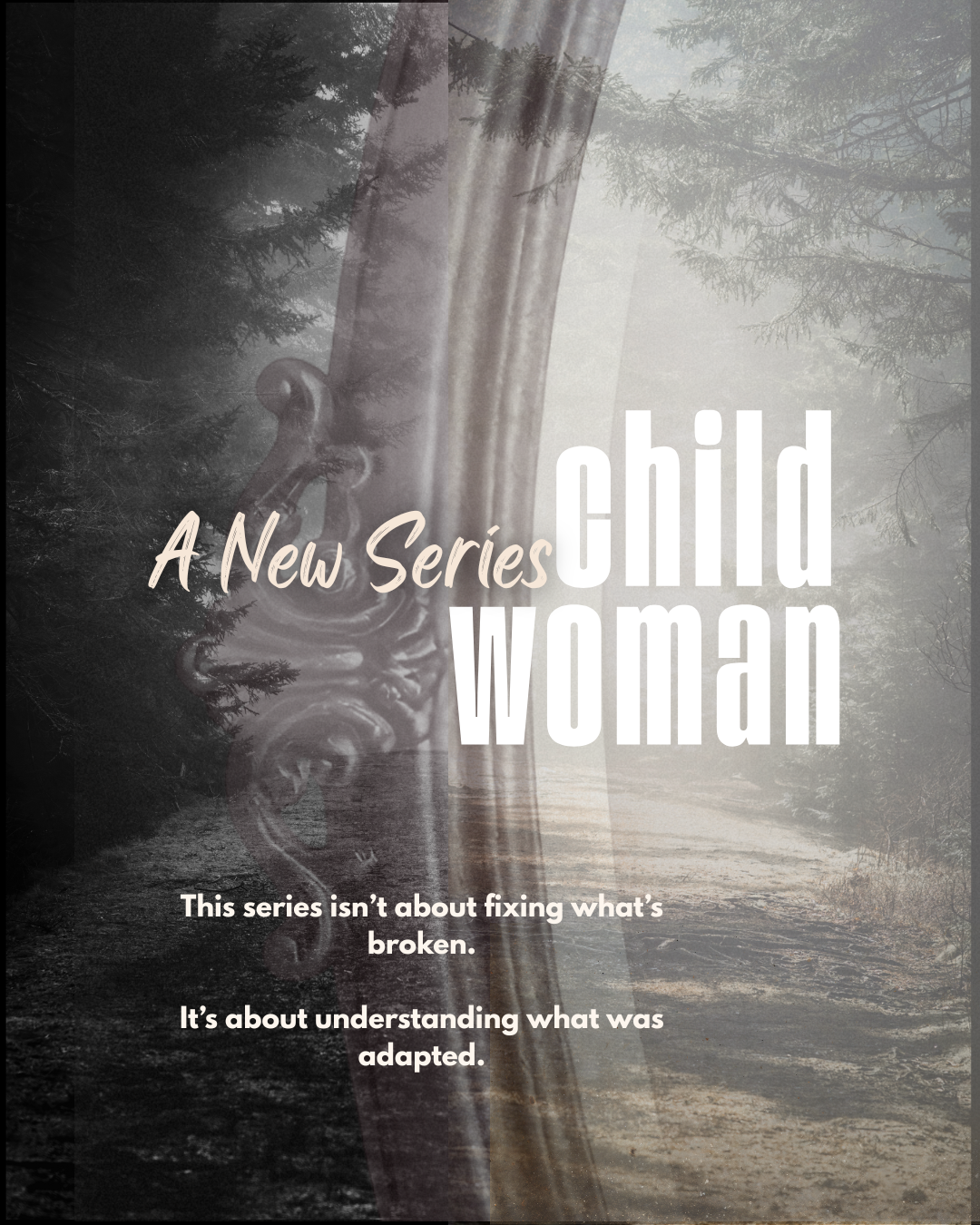
This series began with a question I didn’t know how to answer for a long time:
What happens after something painful occurs—especially when the care, protection, or validation we needed never came?
Child and Woman is a six-part series inside the Shame Out Loud space, drawn from lived experience and creative writing, followed by intimate conversations about shame, emotional safety, nervous system regulation, and returning to love from within.
This work is not about reliving what happened or fixing what’s broken. It’s about understanding what we adapted to survive—and how curiosity, safety, and self-compassion can be relearned over time.
The series will be released in its entirety at the end of January.
You’re welcome to listen at the pace your body allows.
The series lives at loriclarkemedia.com.
Show Notes
Show Notes
This episode is the introduction to Shame Out Loud: Child and Woman, a six-part series rooted in lived experience, creative writing, and intimate conversation.
In this opening episode, Lori Clarke shares the why behind the series—how it emerged from her own lived experience, the writing of Child and Woman, and a long process of understanding what happens after something painful occurs, especially when the care, protection, or validation we needed never came.
Rather than revisiting events or analyzing trauma, this series explores how shame, unworthiness, silence, and survival adaptations live in the body—and how safety, regulation, and love can be relearned over time.
This episode offers context and orientation before the reading of Child and Woman and the five roundtable conversations that follow.
Listeners are invited to listen at the pace their body allows.
In This Episode, Lori Explores:
Why the deepest ache often comes from what didn’t happen, not only what did
How unmet needs for safety, validation, and protection shape the nervous system
The quiet formation of shame-based beliefs and how they influence love and attachment
Hypervigilance as a survival adaptation—and its long-term cost
Why this series is not about reliving trauma or fixing what’s broken
What it means to explore healing through curiosity rather than urgency
The difference between seeking safety externally and learning to feel it internally
How love can exist alongside pain—and why it may feel inaccessible after harm
The metaphor of the mountain and the seed: shame and goodness coexisting
Reclaiming love that was never lost, only covered
Turning inward without going backward
Writing as a compassionate, curious companion rather than a critical practice
Making healing work accessible, gentle, and non-exclusive
About the Series
Shame Out Loud: Child and Woman is a six-part series that includes:
This introductory episode
A reading of Lori’s creative writing Child and Woman
Five roundtable conversations with co-host Tammy Valasenti, psychotherapist
The series explores shame, emotional safety, nervous system regulation, self-compassion, and the process of returning to love from within.
The series will be released in its entirety at the end of January.
Listener Care Note
This series reflects lived experiences that may be activating.
Each episode includes a trigger warning.
This podcast is not a replacement for therapy or professional care. If you need additional support, please consider reaching out to a qualified healthcare provider or therapist.
You are encouraged to listen at the pace your body allows.
Resources & Links
Shame Out Loud: Child and Woman Series
👉 loriclarkemedia.comCurious Writing Companions (one for each episode)
Available on Lori’s website
Closing Invitation
This series isn’t about fixing what’s broken.
It’s about understanding what was adapted—and noticing what the body may be ready to loosen.
When you’re ready, the reading of Child and Woman follows.
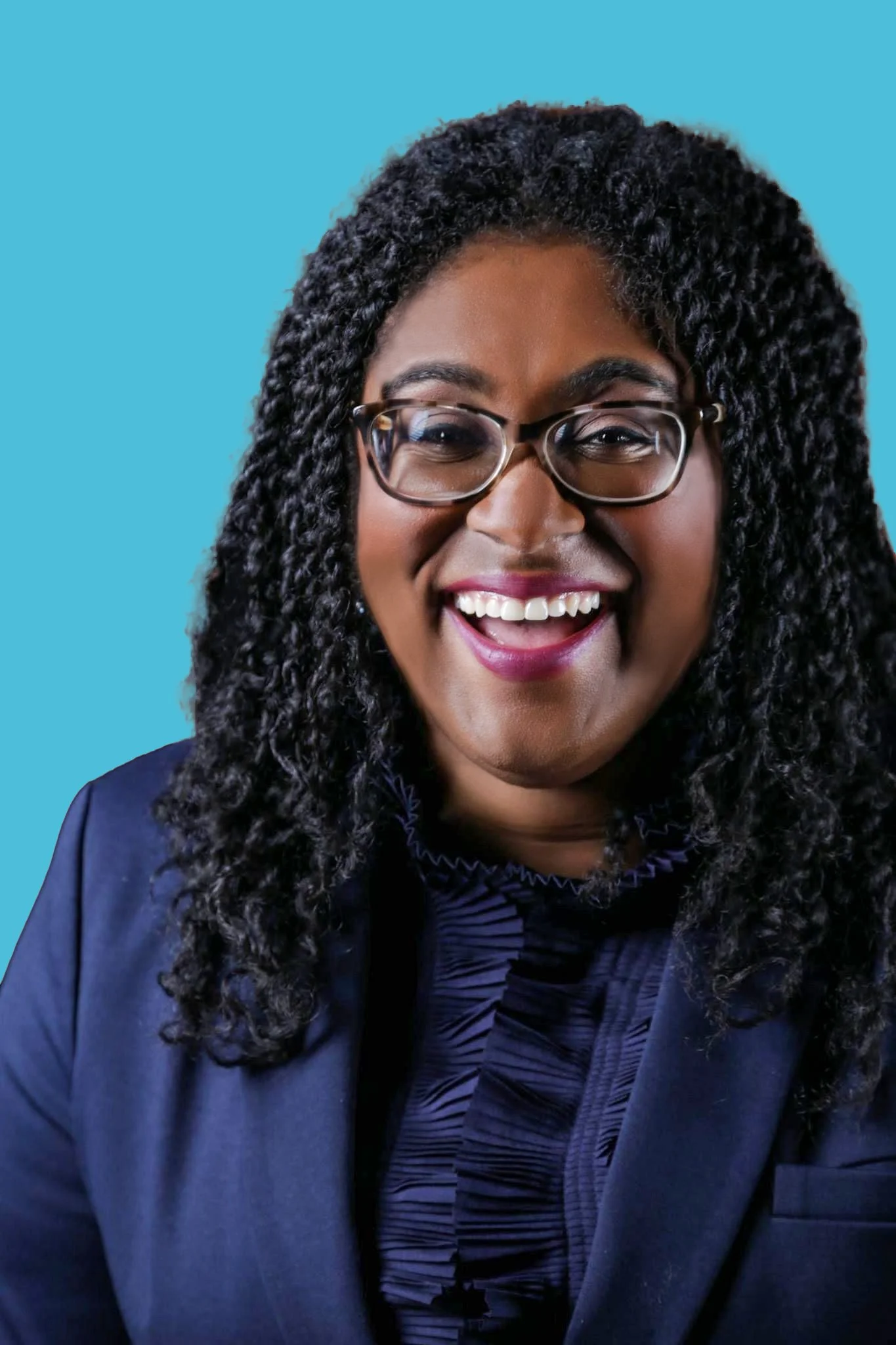
LaNysha Adams, Ph.D., an award-winning education consultant with professional expertise in applied linguistics/TESOL, coaching, and research methodology, owns and operates Edlinguist Solutions LLC. After teaching and conducting education policy research for more than 15 years, Dr. LaNysha Adams was inspired to create a company that promotes educational freedom as a way for students at every educational level to showcase their "me power" for achieving success as they journey through life.
Me Power redefines empowerment, encouraging us to tap into our limitless flow of possibility while connecting with others. No matter the barriers, Me Power pushes us to activate the best of who we are and dismiss the possibility that power is something we can authorize, give away, or take from others.
Embracing this book is the first step to activating your Me Power. So what are you waiting for?
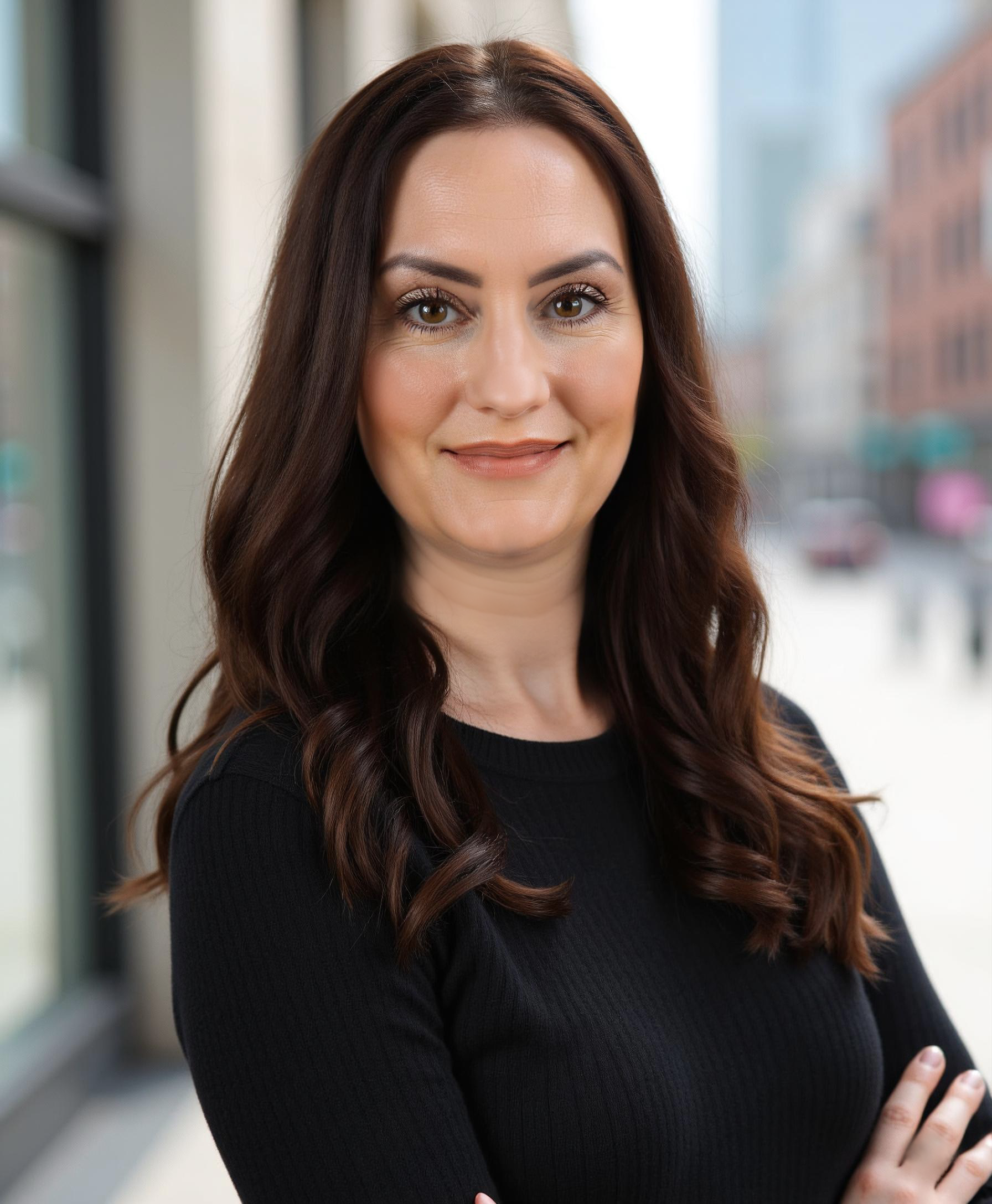
Petra Brunnbauer is a mind-body professional, founder of The Jōrni wellbeing platform, host of the globally ranked Jōrni Podcast, and author of The Functional Freeze Formula. With a Master’s in Psychology and doctoral studies in Mind-Body Medicine, Petra helps professionals understand and recover from Functional Freeze so they can reconnect with their energy, resilience, and full potential. Through her programs, writing, and global community initiatives, she makes integrative healing feel accessible, sustainable, and truly life-changing.
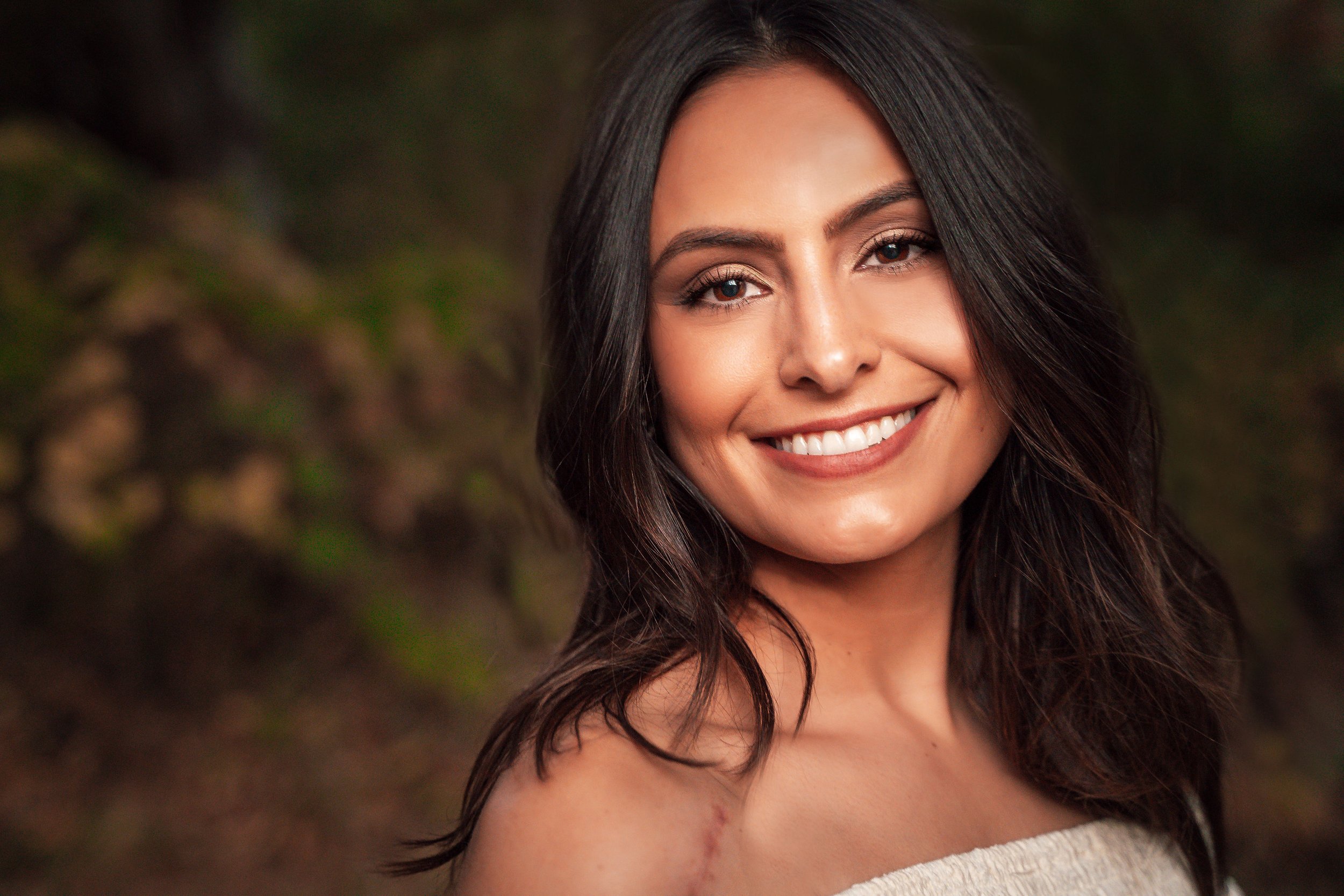
Carina Gosch is a mother and intuitive whose work is grounded in deep healing, lived experience, and embodied transformation. Drawing from her journey through grief, trauma, and Lyme disease, she supports others in approaching healing as a compassionate, nervous-system-aware process rooted in self-trust and inner wisdom. Carina’s perspective centers personal truth, emotional resilience, and reconnecting with the self as pathways to realignment and wholeness.

Tammy Vallicenti is an international psychotherapist and trauma recovery expert with over 25 years of experience helping clients move from pain to peace. Trained in evidence-based modalities including EMDR and Internal Family Systems (IFS), she developed her own integrative approach, Transformation Soulution™, blending research-backed therapy with a whole-person lens. Tammy’s work incorporates the body, all parts of the self, and spiritual elements of healing, offering a deeply compassionate and transformative path to recovery. She holds a graduate degree from Columbia University and an undergraduate degree from the University of Massachusetts Amherst.

Caitlin Morris is a certified functional health coach, life coach, and mom of three who helps people create lasting, sustainable habits in a way that feels fun and realistic. She’s the creator of ReRooted, a fresh approach to habit change designed to make self-care and personal growth more achievable in everyday life. Based in Colorado, Caitlin supports clients in building healthier routines without the burnout or all-or-nothing mindset.

Dr. Ali Chappell is the Founder and CEO of Lilli Health and a leading PCOS and insulin resistance researcher with over a decade of experience in women’s health nutrition. With a Ph.D. in Nutrition focused on reproductive endocrinology and an NIH postdoctoral fellowship in women’s health, she combines scientific expertise with her own lived experience of PCOS. Through Lilli Health, Dr. Chappell teaches her science-backed Low Insulin Lifestyle (LILLI) approach and is the author of Low Insulin Lifestyle, helping women better understand and manage PCOS through evidence-based nutrition and insulin management.
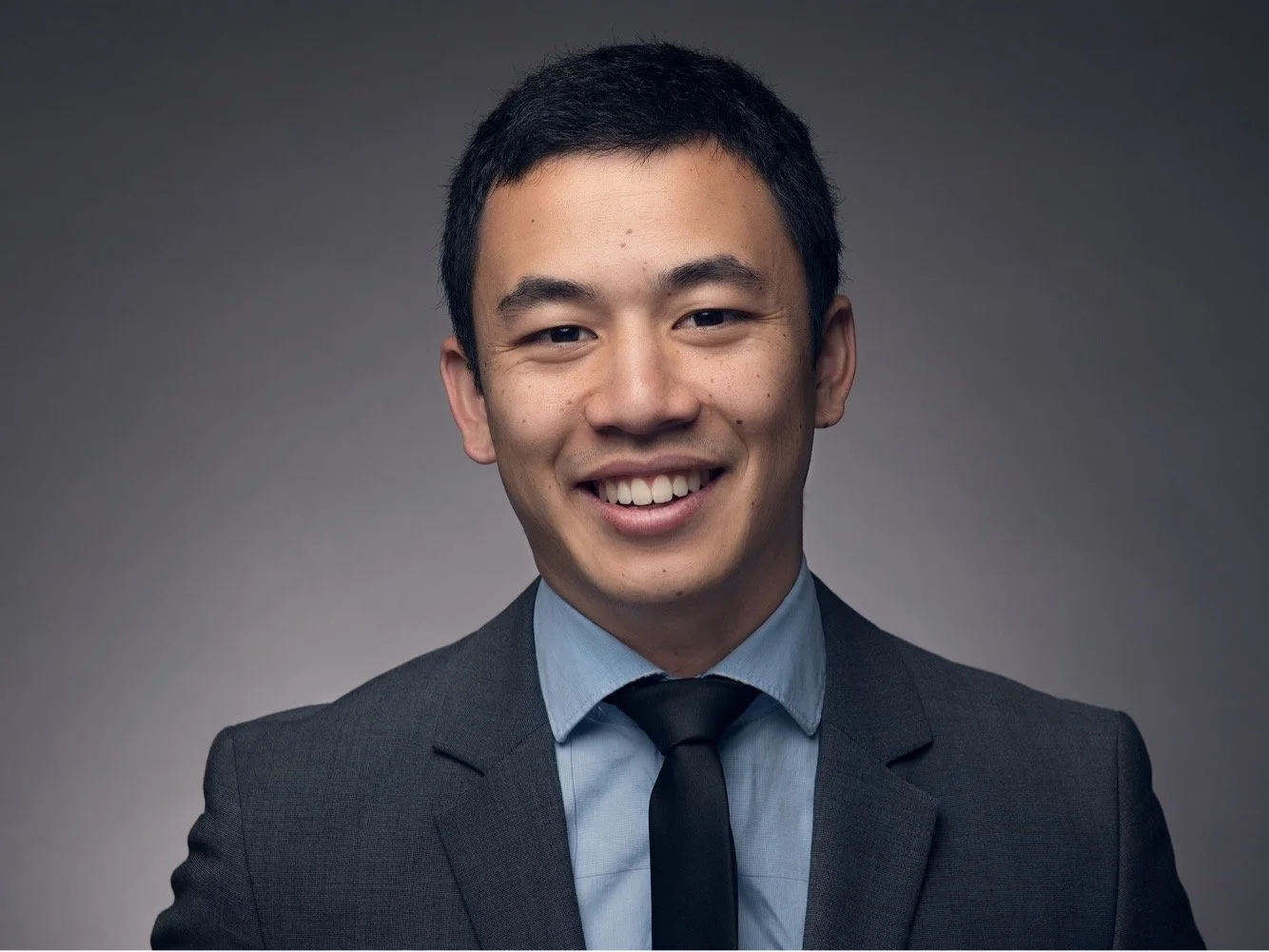
Brandon is a serial founder, coach, and “reinventionist” who helps people design lives and careers around what they naturally enjoy and do best. He’s the founder of Genius of You, a personality test company focused on self-understanding and purposeful growth. With a background spanning nonprofit leadership, startups, education, and operations, Brandon creates widely shared writing and video content (over 20 million views) featured by outlets like TIME, BBC, Inc.com, and Huffington Post.
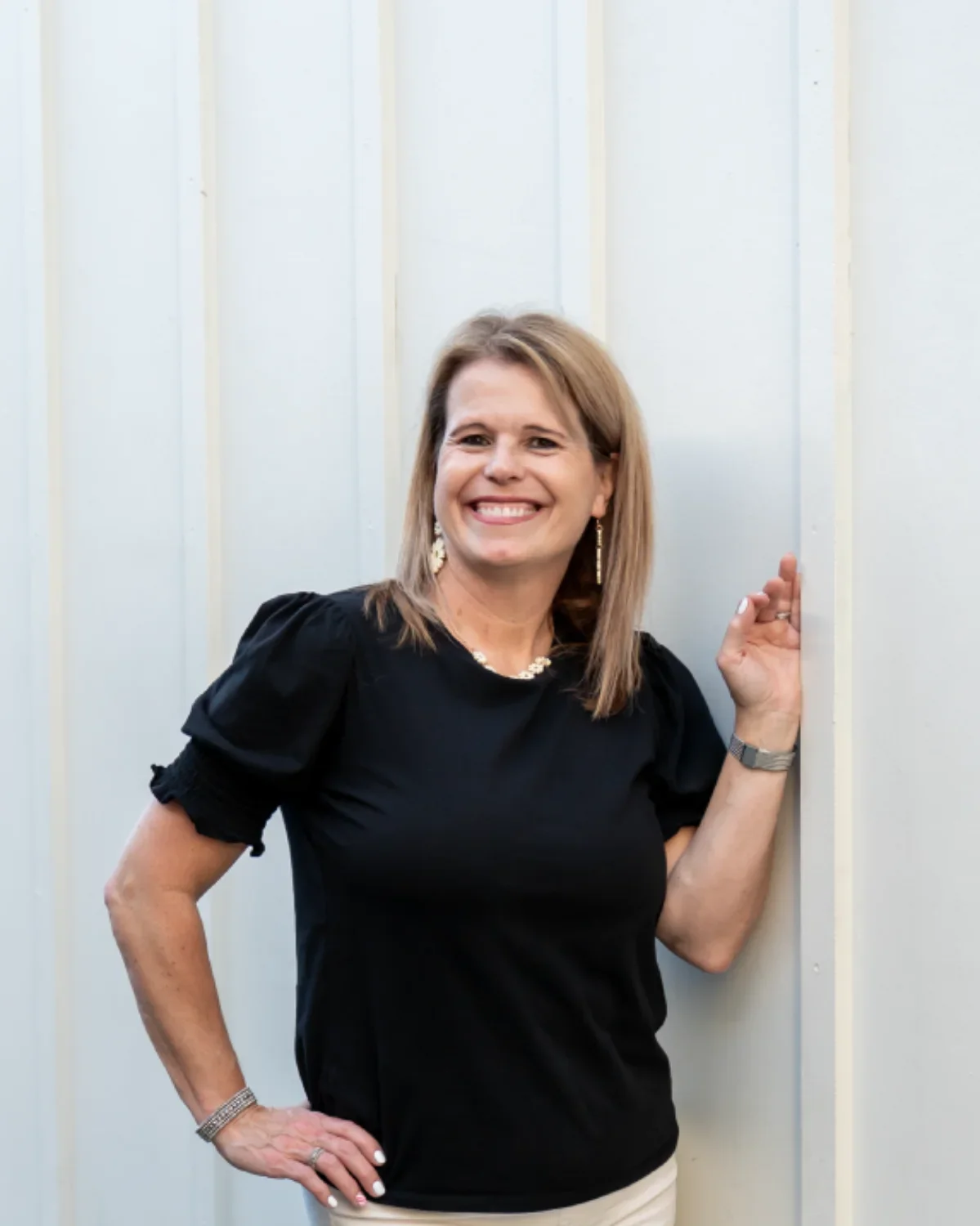
Laura Nelson is a sobriety advocate and co-creator of Sober Life Rocks, a platform amplifying the voices and stories of sober professionals. She is also the author of The Inclusive Event Planner, created to help events feel welcoming for everyone — including those who don’t drink. Through her work, Laura challenges alcohol-centered norms and helps build more inclusive spaces where sobriety is supported and normalized.

Dr. Jillian Lampert is a nationally recognized expert in eating disorder nutrition, body image, and adolescent health. A Fellow of the Academy for Eating Disorders (FAED), she has served in leadership roles with the Academy for Eating Disorders and regularly speaks and publishes on the nutritional treatment of eating disorders, disordered eating, and body confidence. Drawing from both professional expertise and personal lived experience, Dr. Lampert is passionate about helping people recover and build more peaceful, confident relationships with their bodies.

J Cangialosi, LCPC is a licensed clinical professional counselor at Relief Mental Health in Oak Brook, Illinois, with over a decade of experience supporting clients through anxiety, depression, stress, self-esteem challenges, relationship issues, and sleep difficulties. With nearly 10 years of experience in an employee assistance program, J brings a practical, compassionate approach to helping people build coping skills and navigate complex life transitions. She is also experienced in working with clients across diverse identities, including LGBTQ+ individuals.
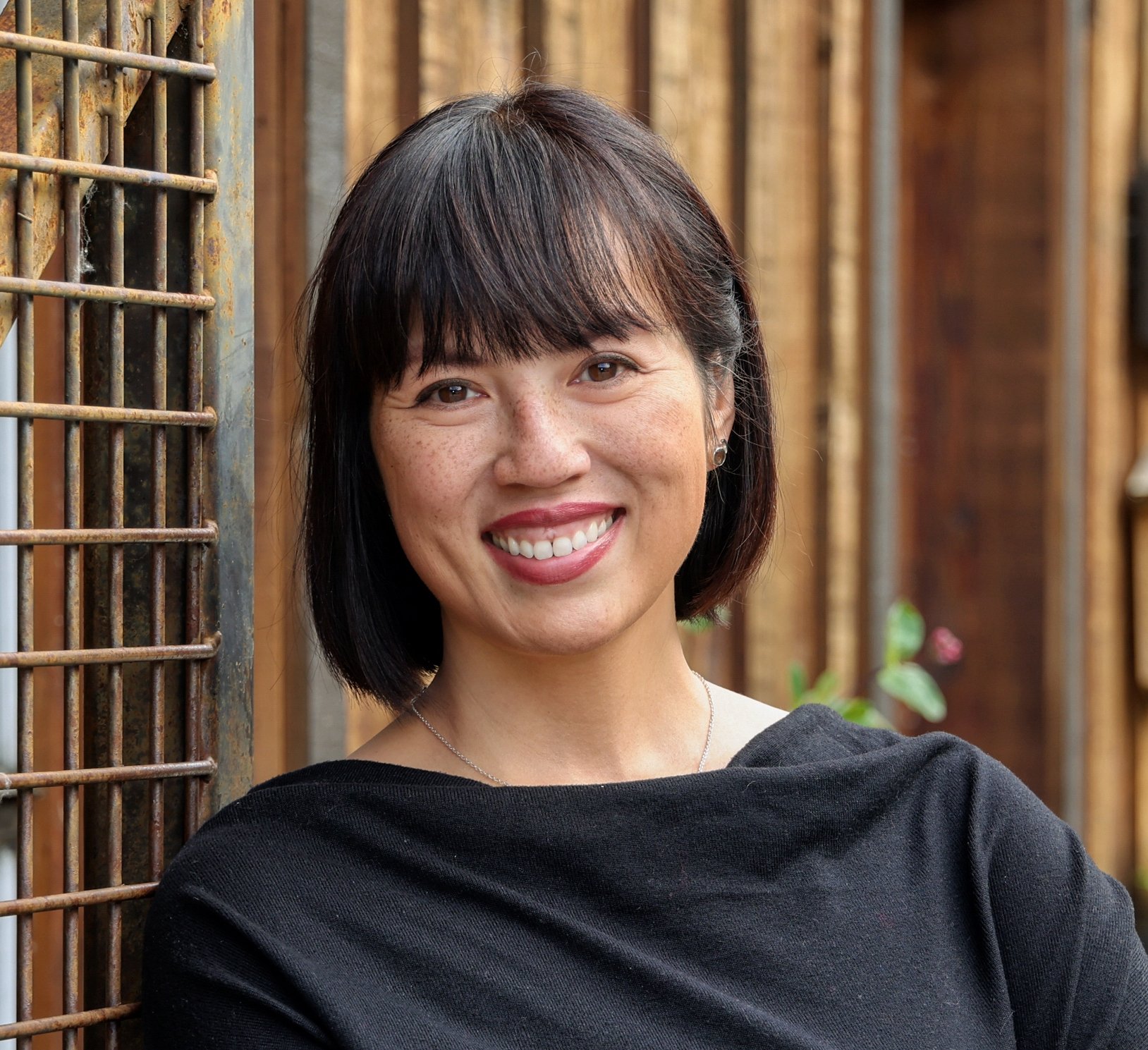
Caroline Millet is a Certified NLP and life coach and former matchmaker who helps people overcome dating burnout, break frustrating relationship patterns, and rebuild confidence while searching for lasting love. Drawing from 30 years of lived experience — including marriage, divorce, single parenthood, and starting over — Caroline supports singles in clarifying what they truly want, strengthening their mindset, and making smarter, more aligned relationship choices.
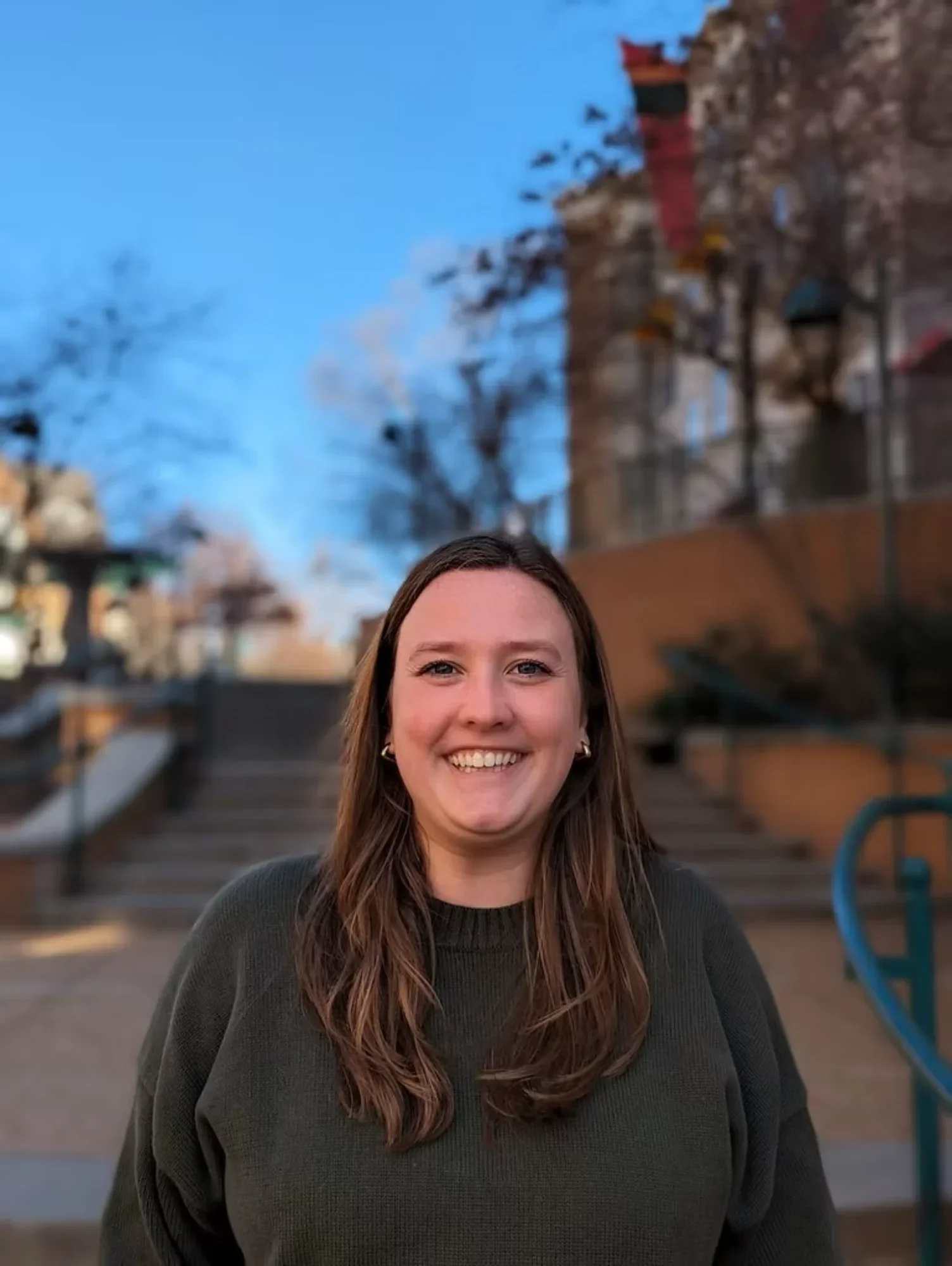
Gretchen is a registered dietitian and eating disorder specialist who has worked in the field since 2016, with extensive experience supporting adolescents and young adults. She holds degrees in nutrition and dietetics and completed specialized training in eating disorder treatment through her dietetic internship and graduate studies. After working in college settings and treatment facilities — and developing early intervention programs — Gretchen now runs her own private practice, helping clients build a more supportive, kind, and joyful relationship with food.
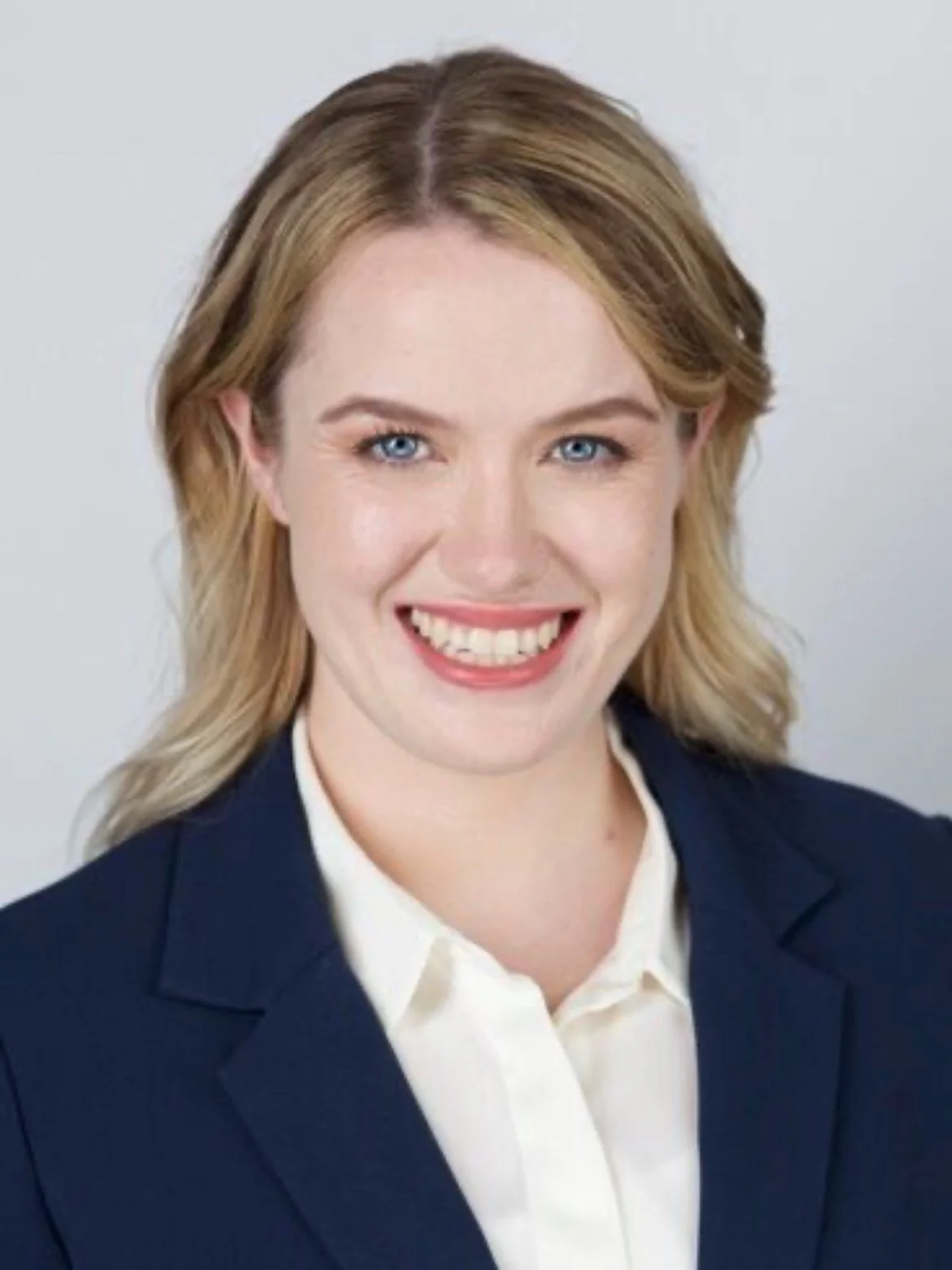
Dr. Lizzie Benge is a sleep medicine physician and Harvard Medical School faculty member specializing in insomnia, sleep apnea, circadian rhythm disorders, restless legs syndrome, narcolepsy, and idiopathic hypersomnia. She is dedicated to improving patient outcomes through personalized, evidence-based sleep treatment. Dr. Benge is also a co-investigator on the NIH RECOVER-SLEEP study, researching new sleep symptoms linked to Long COVID and exploring treatment approaches including medication, melatonin, and light therapy.

Dr. Barbir is a clinical psychologist and supervisor in California who works with adults and adolescents navigating anxiety, insomnia, chronic pain, complex trauma/PTSD, and high-functioning, trauma-driven depression. She specializes in evidence-based approaches including EMDR and interpersonal psychotherapy, with advanced training in ACT, CBT for insomnia, and trauma-focused therapies. Dr. Barbir also supervises unlicensed therapists and is currently writing a book with New Harbinger Publications on EMDR for trauma-driven depression, expected in early 2026.

Dr. Justin Houman is a board-certified urologist and fellowship-trained Men’s Sexual and Reproductive Health specialist. His practice focuses on male fertility, testosterone management, erectile dysfunction, sexual performance, and reproductive goals, with expertise in minimally invasive microsurgery including vasectomy reversals, sperm retrieval, and varicocele repair. Dr. Houman is dedicated to improving men’s quality of life through hormone care, sexual health treatment, and fertility support.

Janice Kaplan is a journalist, TV producer, and bestselling author of 15 books, including the New York Times bestseller The Gratitude Diaries. Former editor-in-chief of Parade magazine, she’s produced over 30 primetime TV specials and frequently appears on national television. In her book What Your Body Knows About Happiness, Janice explores the powerful connection between the body and emotional wellbeing, sharing practical, uplifting insights on how habits, self-awareness, and environment can support gratitude, joy, and holistic health.
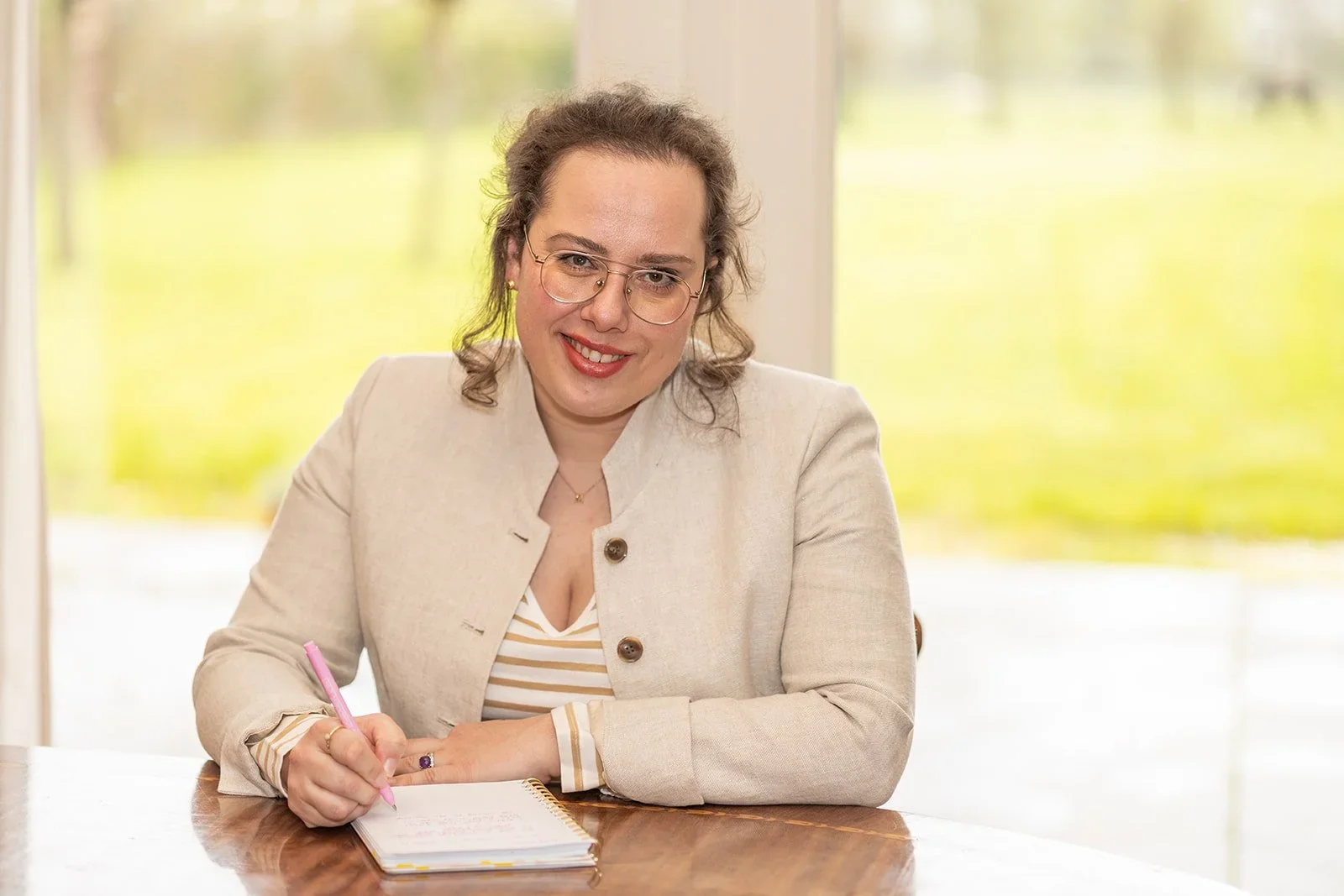
Elisabeth Schellekens is a passionate advocate for fourth-trimester awareness, helping future and new moms mentally prepare for the emotional and psychological realities of postpartum life. Their work focuses on proactive support and education so mothers can feel more grounded, informed, and empowered during one of the biggest transitions of their lives.

Alison Beder Solway is a debut author, fitness expert, and founder of ABS Fitness, an online platform focused on women’s health and empowerment. She helps women build physical and mental resilience through a mind-body approach shaped by her own experiences, including surrogacy, fertility challenges, and training for the New York City Marathon. In her memoir The Miles We Run, Alison shares how hope, discipline, and perseverance can carry us through life’s biggest challenges.

Suzi is a life change strategist, author, certified hypnotherapist, and health and wellness coach with advanced certifications in Health & Wellness Nutrition from Harvard Medical School and Advanced Pain Management. She works with individuals and groups to help people break free from what’s holding them back and build a life they genuinely love. Suzi is also a sought-after speaker and a trusted resource for hospitals, physicians, schools, corporations, and families nationwide.
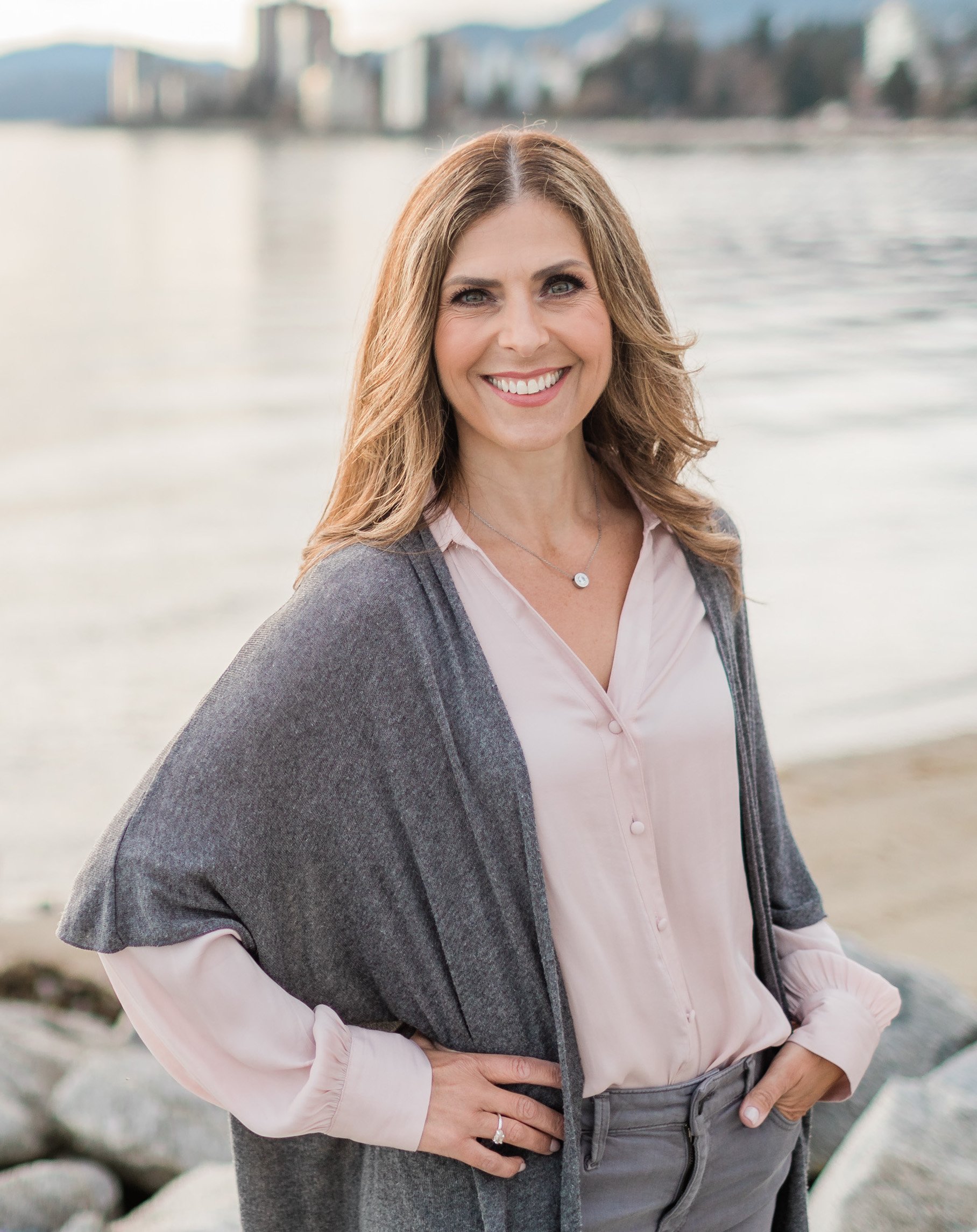
Melina is a registered counsellor and trauma specialist with advanced training in somatic-based healing, including Somatic Experiencing®, somatic touch trauma therapy, and addiction counselling. She supports clients through an embodied nervous system approach focused on helping them feel safer, stronger, and more resilient in their bodies. Melina also serves as a teaching assistant with the Somatic Experiencing® Trauma Institute and in somatic regulation trainings, bringing both deep expertise and ongoing education to her work.

Ilene Leshinsky is a psychotherapist, intuitive energy healer, body image specialist, and author of the book Reflections Of A Fat Girl.

Shannon Christensen is the founder of Mamas for Mamas, a national Canadian nonprofit dedicated to reducing the impact of poverty on low-income mothers and families. With a BA in Psychology and a Master’s in Counselling Psychology specializing in forensics, she’s passionate about supporting marginalized communities through practical, grassroots support. Shannon is an award-winning community leader, a bestselling co-author on motherhood, and a recipient of the Governor General of Canada’s Meritorious Service Medal for her work.

Julian Sarafian is a Harvard Law graduate and California-licensed attorney who represents digital creators, entrepreneurs, writers, and content creators. He’s also a multi-platform content creator with nearly 300,000 followers, known for his mental health advocacy in and beyond the legal profession. Julian’s work has been featured in Bloomberg Law and Newsweek, and he is launching a creator-focused law firm, For Creators, By Creators LLP, to help protect creators in the digital age.

Annie Robert talks with us about choosing herself and her family and finding clarity over alcohol. She talks honestly about a recent relapse and how she sets social boundaries around drinking. Annie says, "I don't see relapse as a failure; it was another chance to understand myself further and to give gratitude for the 525 days I chose myself over alcohol."

Bryce Frederick is a Division 1 baseball player at Towson University who was diagnosed with Type 1 diabetes at age 17. He shares how consistency, values, and mindset have helped him continue pursuing his goals as a student-athlete — without letting his diagnosis define him. Through The Super 8 Blog, Bryce uses his story to inspire others living with diabetes and to show what’s possible when you stay committed to the life you want to build.

Lana Adler, M.A. is the founder of ToxicTies.com, a platform dedicated to supporting and empowering people navigating difficult family or romantic relationships. Through her writing and educational resources, she helps readers recognize unhealthy dynamics, set boundaries, and protect their emotional wellbeing. Lana is the author of The Toxic Grandparent Handbook and co-author of Disabled Literature.

Jacqueline shares the deeply personal journey she and her husband, David, took through the adoption process as they grew their family. With a wholehearted desire to become a mother, Jacqueline speaks openly about the emotional realities of adoption — including hope, vulnerability, and keeping her heart wide open along the way. Together, she and David ultimately adopted their three sons, and Jacqueline’s story offers encouragement to anyone navigating the path to parenthood.