#71 From Trauma to Inner Peace with Dr. Lara Barbir

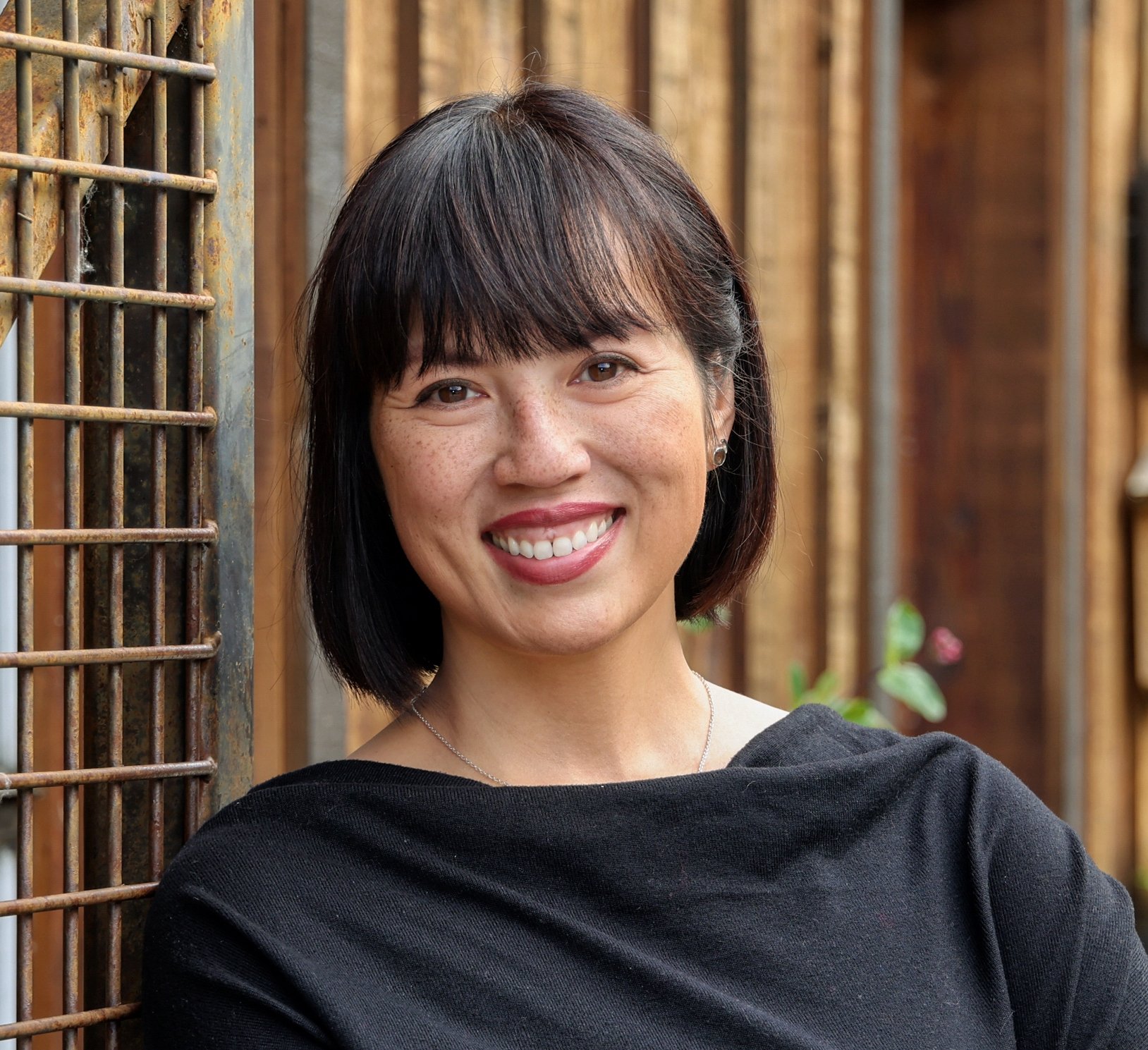
In this honest and moving talk, Dr. Lara Barbir, a clinical psychologist, shares her journey through trauma and depression. She explains how EMDR, mindfulness, and self-compassion helped her recover. These tools gave her a way to reconnect with herself and build a healthier life.
Dr. Barbir talks about healing family pain, letting go of shame, and caring for her emotional health. Her story shows how her own struggles shaped her drive to help others find healing and self-acceptance. She points out the value of being patient, staying aware, and noticing progress, even when it's small.
This conversation reminds us that real change comes from steady effort, kindness to ourselves, and finding hope one step at a time.
Show Notes
From Trauma to Triumph: A Psychologist's Journey of Healing and Hope (and How You Can Start Your Own)
Ever wonder how a healer finds their own healing path? What if their deepest wounds became the very source of their strength and wisdom? This is the story of Dr. Lara Barbir, PsyD, a clinical psychologist specializing in EMDR (Eye Movement Desensitization and Reprocessing) therapy and complex trauma.
Our conversation started with a funny twist – technology troubles! Yet, even through those initial glitches, it became clear that this wasn't just going to be an ordinary discussion about therapy. Dr. Barbir’s willingness to openly share her personal journey transformed our talk into a powerful story of resilience and hope. Join us as we explore the experiences that shaped her, the tools she discovered, and how you can start your own journey toward emotional well-being.
(You can find Dr. Barbir on TikTok at her professional account. Also, you can find her on LinkedIn and her website.
The Wounds That Shaped a Healer
Dr. Barbir's path to becoming a psychologist wasn't a straight line. Early in life, she experienced depression rooted in complex trauma. She saw her mother struggle with severe mental illness, which eventually led to her passing from cancer linked to trauma-induced behaviours. There was also an ex-stepfather who was sexually inappropriate and later abandoned the family.
These experiences gave Dr. Barbir a deep understanding of intergenerational trauma – the idea that wounds can be passed down through families, showing up in different ways. It can be expressed through:
Depression
Eating disorders
Addictive behaviors
Perfectionism
And much more
This understanding fueled her mission: to help others break free from these cycles of inherited pain and find their own path to healing.
The Catalyst for Change
So, what turned things around for Dr. Barbir? What started her healing journey?
She points to heartbreak as a significant catalyst. Experiencing true, unconditional love played a huge role. But she also acknowledges the impact of her mother's cancer diagnosis around the same time she started graduate school.
It was during this period that she was introduced to mindfulness-based therapy approaches. Mindfulness changed her life and became a key part of her healing process. It also eventually led her to EMDR therapy. Relationships can be very transformative in healing.
Mindfulness as a Path to Presence
Dealing with heartbreak and complex trauma is a relatable struggle. Many people experience emotional pain manifesting in the body through somatic experiences. For Dr. Barbir, PTSD and depression showed up as rheumatoid arthritis at the young age of seven.
How can we begin to embrace the heartache and find our way forward?
Mindfulness can help. Dr. Barbir guides her clients by teaching them to:
Find a stillness
Be fully present
Approach their experiences with loving-kindness
The Power of Presence and Non-Judgment
What does it mean to be "fully present with our experience in a loving way?"
It means approaching ourselves and our emotions without judgment. Our brains are wired to judge things as safe or unsafe, good or bad. These judgments lead to reactions that can prevent us from truly processing our emotions. The very thing we need (our presence) is what our instincts tell us to avoid!
Vulnerability creates space for connection. It allows emotions to flow freely. "Opening the space for our bodies to speak through us," Dr. Barbir says. By connecting with our bodies, we can begin to let go of what we're holding onto.
Little Lara
Dr. Barbir woke up one morning with her knee so inflamed that she was unable to walk around the time her parents got back together. This led to a lot of trauma and also uncovered repressed memories of abuse when they got back together.
Repressed emotions manifested into somatic symptoms, and she felt significant emotional neglect during her childhood. Our early experiences definitely affect us.
Anger as a Messenger
Mindfulness combined with grief helped peel back the layers for Dr. Barbir. Anger often serves as a protective emotion, connected to deeper feelings.
Ask yourself: "What do I need to protect? What do I need to restore?"
Beneath the anger, there may be fear, helplessness, shame, guilt, and deep sadness.
Breaking the Chains of Shame
What about projected shame and intergenerational trauma? How do we break free from these patterns?
Here are some steps for reconciling projected shame:
Recognize the projection.
Acknowledge your own pain.
Avoid being overly forgiving at the cost of your own wounds.
Self-love is key. Become the emotionally attuned caregiver you never had.
Healing From Inappropriate Actions
Dealing with inappropriate actions requires love and patience.
Here are some steps to take on your journey:
Practice mindfulness.
Trust your nervous system.
Nurture healthy relationships.
Learn grace.
Tell yourself it's okay.
EMDR: A Relief Valve
EMDR (Eye Movement Desensitization and Reprocessing) therapy can be a powerful tool. It helped Dr. Barbier reconnect with her body and self.
In EMDR:
You are not reliving the event.
You look at things from a third-party perspective.
It can help you be more empathetic.
The Formula for Healing
Dr. Barbir emphasizes a holistic approach: "There's a formula. It's not just one thing or another thing. It's an amalgamation of things."
This includes:
Training the brain through mindfulness
Exercise
Nourishing the body
Engaging in meaningful activities
Navigating Trauma: The Childhood Wound
Dr. Barbir's EMDR experiences focused on childhood memories. These included interactions with her mom, stepdad, dad, and ex.
It's important to recognize healthy and unhealthy coping mechanisms. Healthy coping mechanisms include hope, education, and extracurricular activities. Unhealthy ones involve dissociating, numbing, and substance abuse.
A Moment of Truth
After performing EMDR, Dr. Barbir felt a pit in her stomach. She recognized it as shame. She realized she had shut herself off.
"A psychologist didn't feel her own experience of shame in her body until 31 years old."
A Safe Space
In a safe space, shame started to dissipate. Honesty can help others feel seen. Shame is one of the lowest emotions with very low vibration. It's important to remember that the person who acted inappropriately likely felt shame too.
How Compassion is Key
Compassion allows for a different lens. It's not necessarily reliving the trauma, but looking at it from a third-party perspective, letting love in rather than fear and shame.
Emotional Health
For those listening, you are already on a journey.
Make sure you are in a safe situation.
Honor and respect your emotions.
Turn toward those emotions.
Get aerobic or anaerobic exercise.
Prioritize your basic needs.
Connect with loved ones.
Join groups or communities.
Listen to music.
Consider pet therapy.
Find ways to let love in.
Self-Love
Self-love is a commitment and a lifestyle. It is how you choose to show up for yourself and not abandon or betray yourself every single day.
Finding Meaning
How can you start to be there for yourself in ways you haven't been there before? "You become, as an adult, what you really needed as a kid."
It can be hard to turn kindness inward.
Putting It Into Action
Connect with your heart by answering truthfully, why are you really here? Are you actually here? Why do you want to heal?
Conclusion: Your Journey Starts Now
Dr. Barbir's story reminds us that healing is possible. It requires courage, self-compassion, and a willingness to embrace our vulnerabilities. As you reflect on this conversation, remember that you're already on your way. Take the next step, whatever that may be, with kindness and intention. Healing is a journey, not a destination.
Learn more about today's guest